
Briefmarkenwerte
Plattenblöcke: Was ein Plate Block ist und was er wert ist
Aktualisiert · 5 Min. Lesezeit · Vom StampGo-Team
Kurze Antwort
Ein Plattenblock ist ein Markenblock, der noch am Bogenrand mit der Nummer der Druckplatte hängt. Moderne US-Plattenblöcke bringen meist etwa den Nennwert, während klassische Plattenblöcke, vor allem vor 1940 und in guter Erhaltung, ein Mehrfaches derselben Marken als Einzelstücke wert sein können.
Die wichtigsten Fakten
- Worum es geht
- Ein Markenblock mit Bogenrand, auf dem die Plattennummer steht
- Moderne US-Größe
- Meist ein Viererblock mit der Nummer im Eckrand
- Klassische Größe
- Oft Sechserblöcke, bei frühen Ausgaben auch größer
- Moderner Wert
- Etwa Nennwert. Sie wurden in Mengen aufbewahrt
- Klassischer Wert
- Ein Aufschlag gegenüber Einzelmarken, mitunter ein erheblicher
- Erhaltung
- Unversehrter Bogenrand, vollständige Zähnung und postfrisch zählen am meisten
What is a plate block?
It's a block of stamps that still has the sheet margin attached, with the plate number printed on that margin. The number identifies the printing plate used, which is why collectors keep the block intact.
Sheets were printed from numbered plates, and the number appears in the selvage, the blank paper around the stamps. Tear the selvage off and it's an ordinary block. Keep it, and it's a plate block, a collecting speciality of its own, particularly in the United States.
Other margin markings are collected the same way: copyright blocks, “Mr. ZIP” blocks and, on coils, plate number singles or strips cut from the roll.
How do I know if I have a plate block?
Look at the margin attached to the block. If it shows a number, usually small and printed near the corner, and the stamps are still joined to it, you have a plate block.
- Modern US issues: a block of 4 stamps with the plate number in the corner selvage.
- Older flat-plate issues: the standard collecting unit is often a block of 6, and sometimes larger.
- Position matters: the selvage should be the one bearing the number, not a blank margin from elsewhere on the sheet.
- Don't trim it. Cutting the selvage down to “tidy” it removes the point of the block.
What are plate blocks worth?
Modern plate blocks usually sell for around the face value of the stamps in them. Classic plate blocks, especially from before about 1940, can be worth several times the price of the same stamps as singles.
| Era | Typical plate block value |
|---|---|
| Classic US issues to about 1930 | A significant premium over singles, when sound and well centered |
| 1930s–1950s | Modest premium on better issues, near face value on common ones |
| 1960s onward | Usually about face value. Very large numbers were saved |
| Errors and scarce varieties | Can be worth far more, especially with the number attached |
The pattern is the same one that governs the rest of the hobby: things collectors deliberately saved in bulk stay cheap. See commemorative stamps value.
What condition issues matter for plate blocks?
Centering across all the stamps, intact perforations between them, clean and uncreased selvage, and gum that has never been hinged. A hinge mark on the selvage alone reduces the price.
- Never hinged is the standard for modern plate blocks. Hinging, even on the margin, cuts value.
- Separation matters: pulled perforations between two stamps devalue the whole block.
- Selvage damage, such as creases, tears and mounting marks, counts against it.
- Even centering across four or six stamps is harder to find than on a single, which is part of the appeal.
See stamp condition grades for the terms dealers use when describing blocks.
Should I break a plate block into singles?
Usually not. A classic plate block is worth more intact than as separate stamps, and breaking it is irreversible. For common modern blocks it makes little difference, since both are worth about face value.
If you're not sure which you have, treat the block as intact until it's been identified. The same rule applies to other multiples: pairs proving an imperforate error, blocks showing a plate flaw, and se-tenant strips are all worth more whole. See error stamps worth money.
What are copyright blocks, ZIP blocks and plate number coils?
They're the other margin-marking collectables. Copyright blocks show the postal service's copyright notice, ZIP blocks show the “Mr. ZIP” reminder, and plate number coils are coil stamps carrying a small plate number on the stamp itself.
| Type | What to look for |
|---|---|
| Copyright block | Selvage carrying the copyright notice, collected as a block of four |
| ZIP block | Selvage with the “Mr. ZIP” character or ZIP code reminder |
| Plate number coil (PNC) | A tiny plate number printed at the bottom of one stamp in a coil roll |
| Plate number single | A single stamp cut from a sheet so the number stays attached |
Most of these sell for around face value, with the same exception as plate blocks: scarce plate numbers and short-run printings carry a premium, and specialists track exactly which numbers are hard to find. If you're sorting a modern accumulation, don't tear margins off anything until you know which markings it carries.
Schritt für Schritt
How to check a plate block with StampGo
Start by identifying the stamp in the block. Once you know the issue and its era, the premium question answers itself.
- 1
Scan one stamp in the block
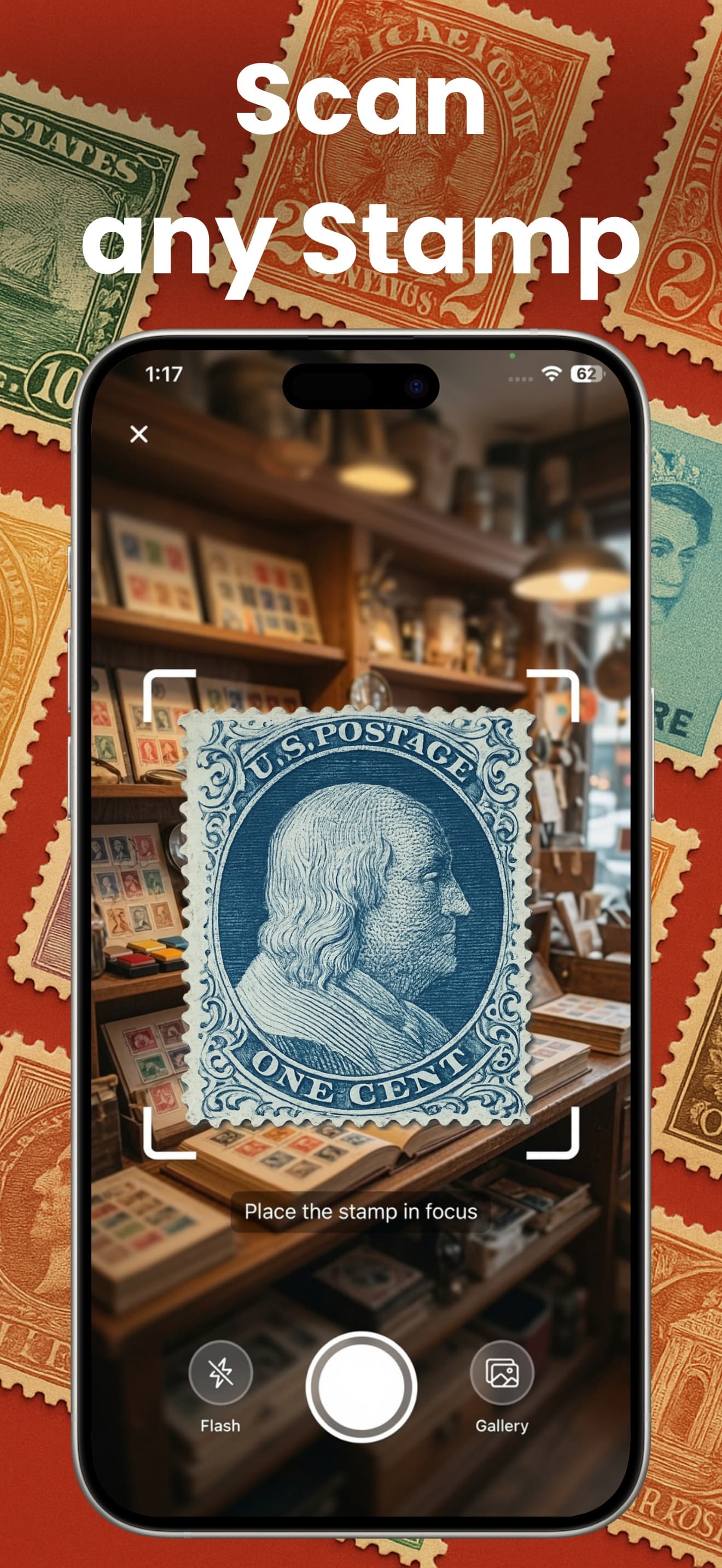
Tap Scan Now and photograph a single stamp from the block, filling the frame, without separating anything.
- 2
Check the issue and year
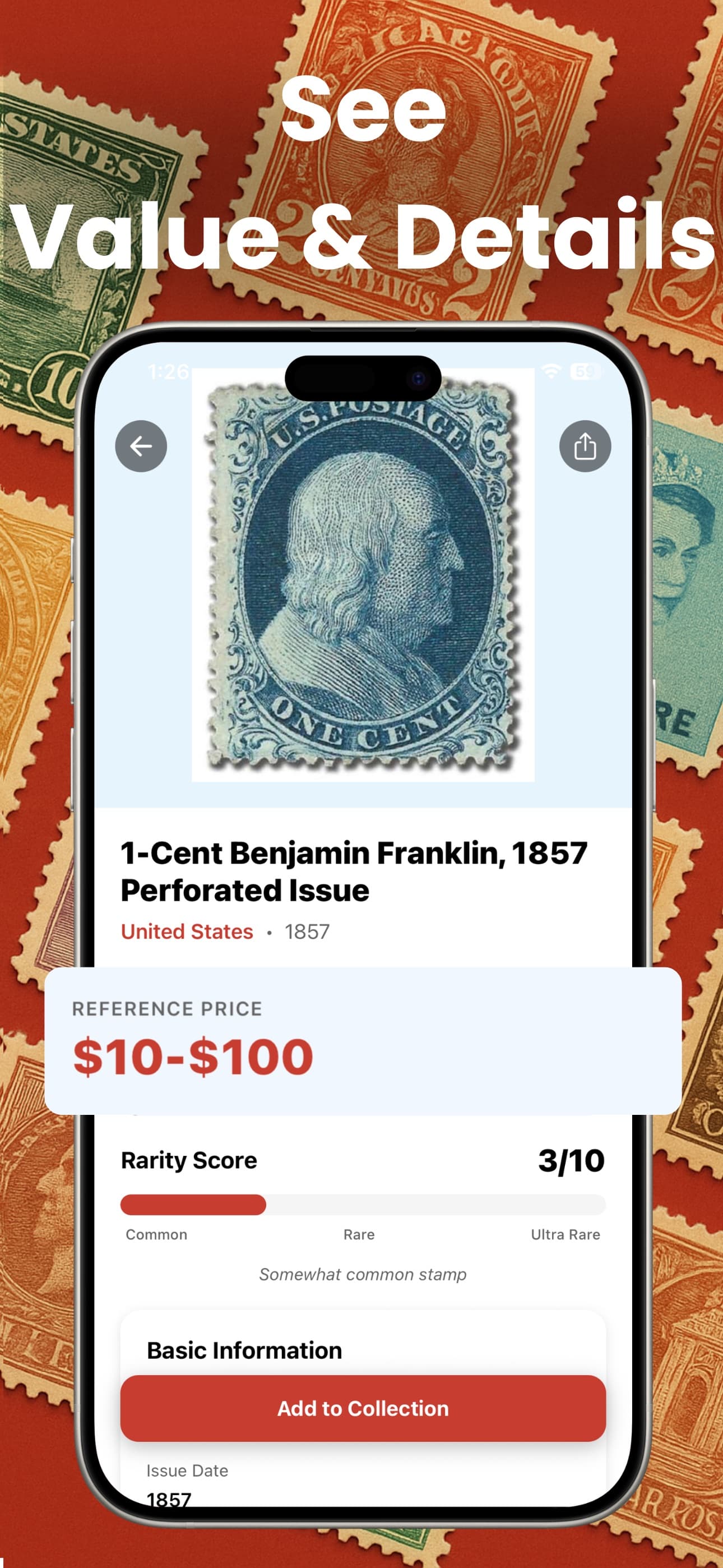
A pre-1940 issue with a meaningful reference price is worth researching as a plate block. A modern one usually isn't.
- 3
Log it as a block
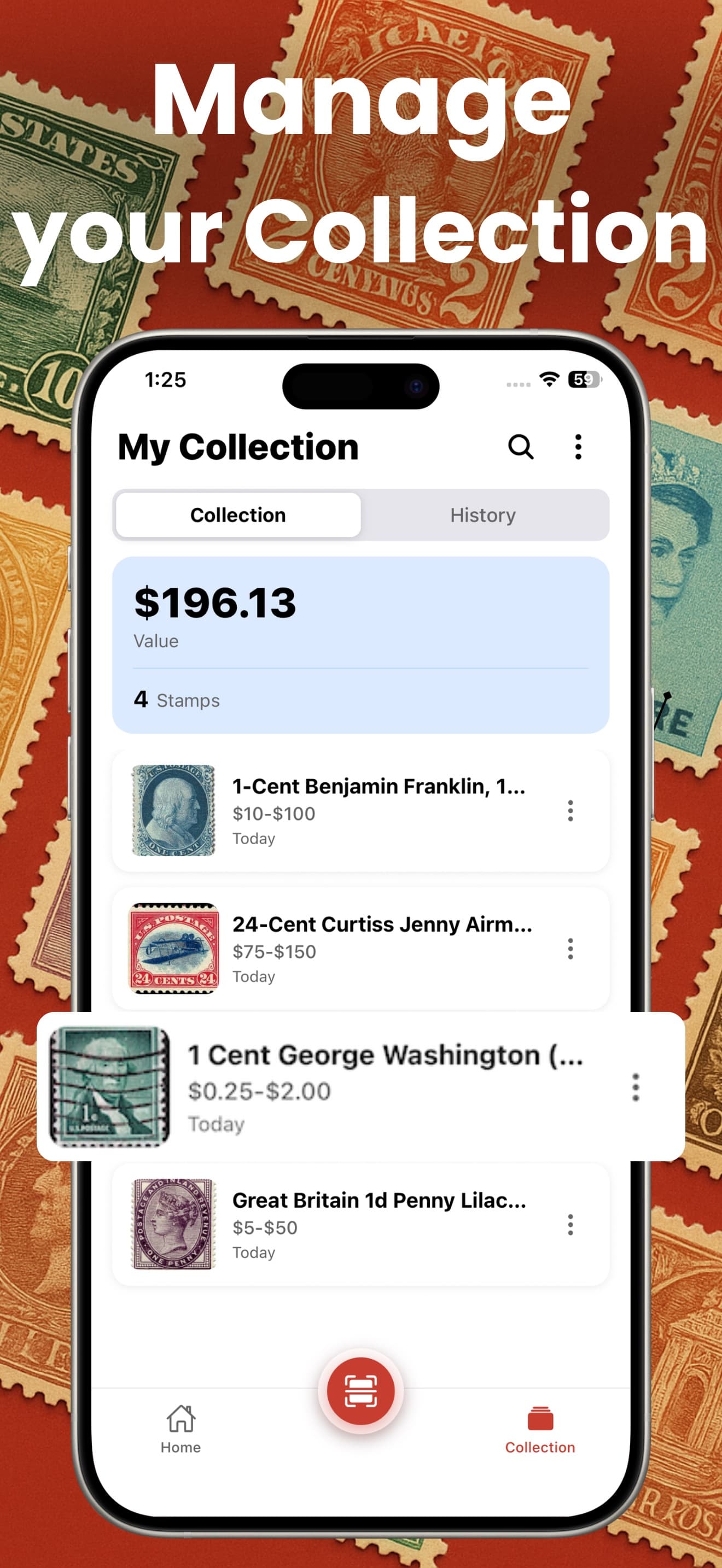
Save the stamp to your collection and note in your own records that you hold it as a plate block, with the plate number.


Kostenloser Download für iOS und Android
Häufige Fragen
Was ist der Unterschied zwischen Plattenblock und Eckrandstück?
Ein Eckrandstück ist schlicht ein Block aus der Bogenecke. Zum Plattenblock wird es erst, wenn der anhängende Rand die Plattennummer trägt.
Werden auch kanadische Plattenblöcke gesammelt?
Ja. Kanadische Ausgaben werden als Plattenblöcke aus jeder Bogenecke gesammelt, und Spezialkataloge wie Unitrade führen sie einzeln auf.
Ist ein Plattenblock mehr wert als vier Einzelmarken?
Bei klassischen Ausgaben meist ja. Bei modernen selten: Beide sind in der Regel etwa ihren Nennwert wert.
Ändert die Plattennummer selbst den Wert?
Manchmal. Bei Ausgaben, bei denen einzelne Platten deutlich kürzer liefen, bringen Blöcke dieser seltenen Platten einen Aufschlag. Das ist Spezialistengebiet, und Kataloge führen die Unterschiede auf.
Soll ich Plattenblöcke in Hüllen aufbewahren?
Ja. Nutzen Sie eine Hülle, die Block und Bogenrand flach aufnimmt, ohne auf die Zähnung zu drücken. Falzen Sie einen modernen Plattenblock nie, denn schon eine Spur auf dem Rand senkt den Preis.
