
郵票價值
印版方連:帶邊方連真的比較值錢嗎
更新於 · 4 分鐘閱讀 · StampGo 團隊
快速解答
印版方連是含有全張邊紙印版號碼的一組相連郵票,美國郵票通常是四枚。1940 年前、特別是 1920 年前的印版方連,相對單枚有明顯溢價。現代印版方連大多只值面值,因為保存下來的太多。
重點資料
- 這是什麼
- 含全張邊紙印版號碼的相連郵票方連
- 常見大小
- 現代美國郵票為四枚,早期發行為六枚或更多
- 值錢的時期
- 約 1940 年前。1920 年前高得多
- 現代方連
- 通常只值面值,被大量保存
- 品相
- 無貼紙痕的完整背膠會明顯拉高溢價
- 相關
- ZIP 碼方連、Mail Early 方連與版權方連
What is a plate block?
It's a block of stamps that still has the sheet margin attached, with the plate number printed on that margin. The number identifies the printing plate used, which is why collectors keep the block intact.
Sheets were printed from numbered plates, and the number appears in the selvage, the blank paper around the stamps. Tear the selvage off and it's an ordinary block. Keep it, and it's a plate block, a collecting speciality of its own, particularly in the United States.
Other margin markings are collected the same way: copyright blocks, “Mr. ZIP” blocks and, on coils, plate number singles or strips cut from the roll.
How do I know if I have a plate block?
Look at the margin attached to the block. If it shows a number, usually small and printed near the corner, and the stamps are still joined to it, you have a plate block.
- Modern US issues: a block of 4 stamps with the plate number in the corner selvage.
- Older flat-plate issues: the standard collecting unit is often a block of 6, and sometimes larger.
- Position matters: the selvage should be the one bearing the number, not a blank margin from elsewhere on the sheet.
- Don't trim it. Cutting the selvage down to “tidy” it removes the point of the block.
What are plate blocks worth?
Modern plate blocks usually sell for around the face value of the stamps in them. Classic plate blocks, especially from before about 1940, can be worth several times the price of the same stamps as singles.
| Era | Typical plate block value |
|---|---|
| Classic US issues to about 1930 | A significant premium over singles, when sound and well centered |
| 1930s–1950s | Modest premium on better issues, near face value on common ones |
| 1960s onward | Usually about face value. Very large numbers were saved |
| Errors and scarce varieties | Can be worth far more, especially with the number attached |
The pattern is the same one that governs the rest of the hobby: things collectors deliberately saved in bulk stay cheap. See commemorative stamps value.
What condition issues matter for plate blocks?
Centering across all the stamps, intact perforations between them, clean and uncreased selvage, and gum that has never been hinged. A hinge mark on the selvage alone reduces the price.
- Never hinged is the standard for modern plate blocks. Hinging, even on the margin, cuts value.
- Separation matters: pulled perforations between two stamps devalue the whole block.
- Selvage damage, such as creases, tears and mounting marks, counts against it.
- Even centering across four or six stamps is harder to find than on a single, which is part of the appeal.
See stamp condition grades for the terms dealers use when describing blocks.
Should I break a plate block into singles?
Usually not. A classic plate block is worth more intact than as separate stamps, and breaking it is irreversible. For common modern blocks it makes little difference, since both are worth about face value.
If you're not sure which you have, treat the block as intact until it's been identified. The same rule applies to other multiples: pairs proving an imperforate error, blocks showing a plate flaw, and se-tenant strips are all worth more whole. See error stamps worth money.
What are copyright blocks, ZIP blocks and plate number coils?
They're the other margin-marking collectables. Copyright blocks show the postal service's copyright notice, ZIP blocks show the “Mr. ZIP” reminder, and plate number coils are coil stamps carrying a small plate number on the stamp itself.
| Type | What to look for |
|---|---|
| Copyright block | Selvage carrying the copyright notice, collected as a block of four |
| ZIP block | Selvage with the “Mr. ZIP” character or ZIP code reminder |
| Plate number coil (PNC) | A tiny plate number printed at the bottom of one stamp in a coil roll |
| Plate number single | A single stamp cut from a sheet so the number stays attached |
Most of these sell for around face value, with the same exception as plate blocks: scarce plate numbers and short-run printings carry a premium, and specialists track exactly which numbers are hard to find. If you're sorting a modern accumulation, don't tear margins off anything until you know which markings it carries.
逐步操作
How to check a plate block with StampGo
Start by identifying the stamp in the block. Once you know the issue and its era, the premium question answers itself.
- 1
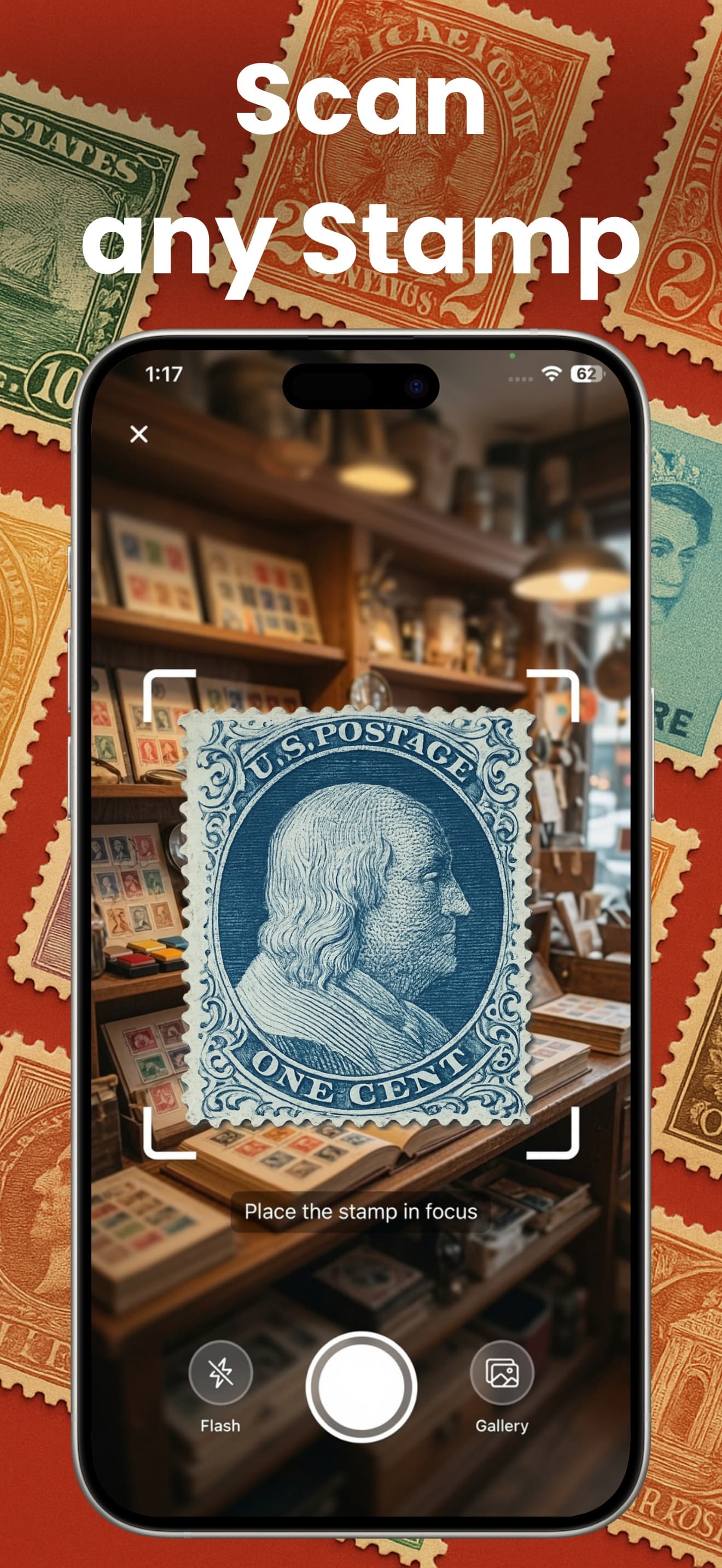
Scan one stamp in the block
Tap Scan Now and photograph a single stamp from the block, filling the frame, without separating anything.
- 2
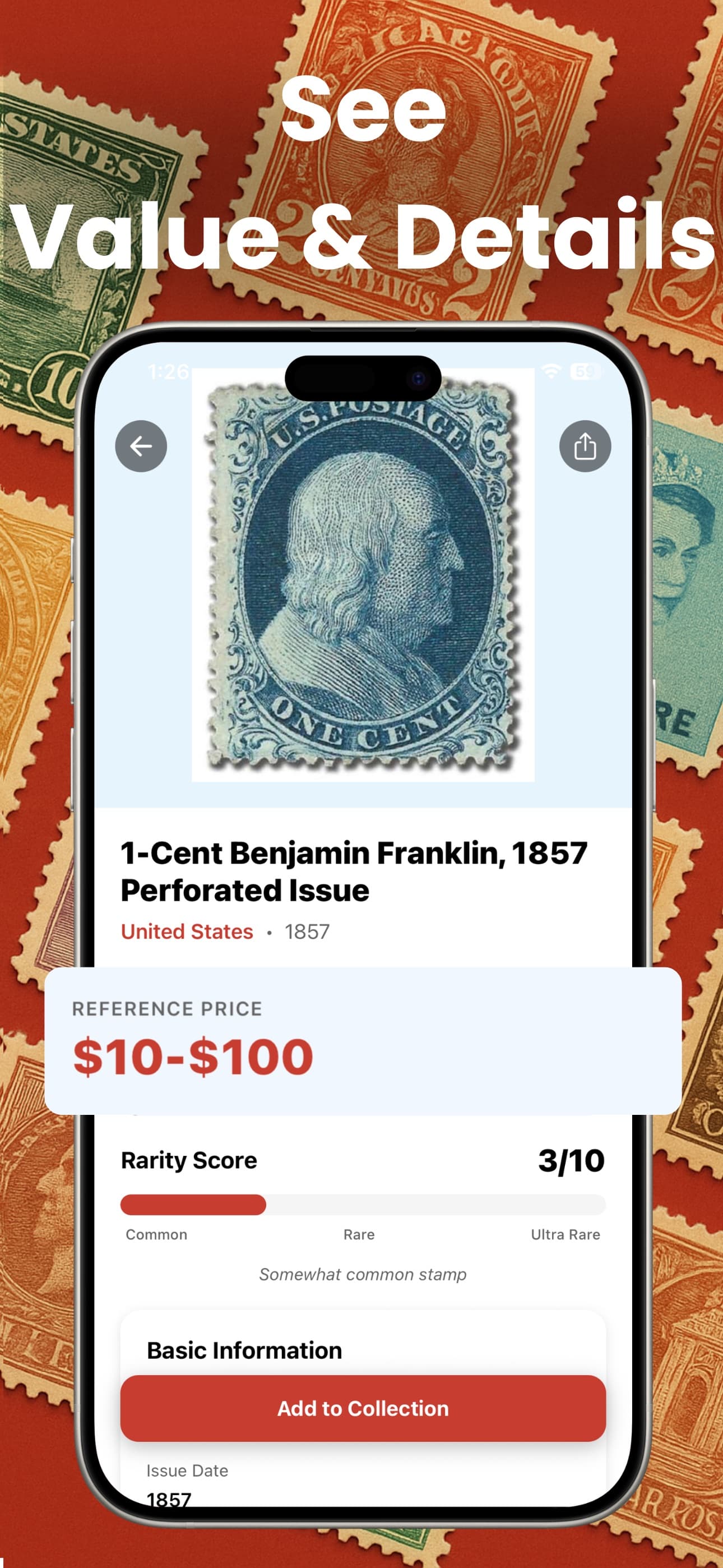
Check the issue and year
A pre-1940 issue with a meaningful reference price is worth researching as a plate block. A modern one usually isn't.
- 3
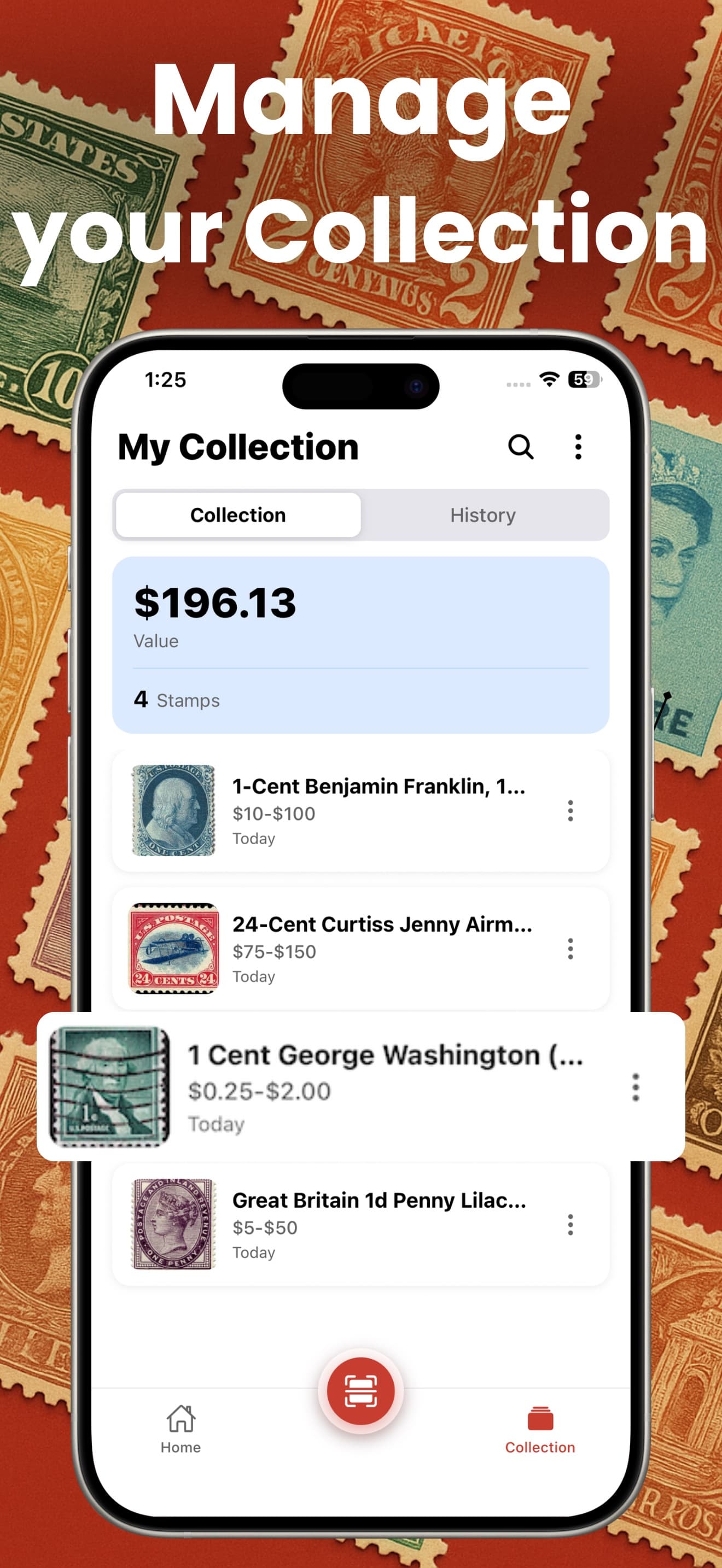
Log it as a block
Save the stamp to your collection and note in your own records that you hold it as a plate block, with the plate number.


iOS 與 Android 免費下載
常見問題
印版方連比單枚值錢嗎?
早期發行是,而且常常明顯更高。現代郵票幾乎沒有差別,因為收藏者保存了數以百萬計的方連。
印版號碼在哪裡?
在全張的邊紙上,通常是小字數字。剪方連時必須把這塊邊紙留在方連裡。
印版方連可以拿來寄信嗎?
只要是有效的新票就可以。現代方連本來就只值面值,這通常是最好的用途。
現在還流行收印版方連嗎?
比以前少。許多收藏者轉向單枚或實寄封,這讓現代方連的價格一直偏低。
