
Valore dei francobolli
Blocchi di tavola: cosa sono e quanto valgono
Aggiornato il · 5 min di lettura · A cura del team StampGo
Risposta rapida
Un blocco di tavola è un blocco di francobolli ancora attaccato al bordo di foglio che porta il numero della tavola di stampa. I blocchi di tavola statunitensi moderni si vendono di solito al valore facciale, mentre quelli del periodo classico, soprattutto prima del 1940 e in buono stato, possono valere diverse volte gli stessi francobolli singoli.
In breve
- Cos'è
- Un blocco di francobolli con il bordo che mostra il numero di tavola
- Formato moderno (USA)
- Di solito una quartina, con il numero nel bordo d'angolo
- Formato classico
- Spesso blocchi di sei, più grandi per alcune emissioni antiche
- Valore moderno
- Intorno al facciale. Ne furono conservati in quantità
- Valore classico
- Un premio rispetto ai singoli, a volte consistente
- Stato
- Bordo integro, dentellatura completa e assenza di linguella contano più di tutto
What is a plate block?
It's a block of stamps that still has the sheet margin attached, with the plate number printed on that margin. The number identifies the printing plate used, which is why collectors keep the block intact.
Sheets were printed from numbered plates, and the number appears in the selvage, the blank paper around the stamps. Tear the selvage off and it's an ordinary block. Keep it, and it's a plate block, a collecting speciality of its own, particularly in the United States.
Other margin markings are collected the same way: copyright blocks, “Mr. ZIP” blocks and, on coils, plate number singles or strips cut from the roll.
How do I know if I have a plate block?
Look at the margin attached to the block. If it shows a number, usually small and printed near the corner, and the stamps are still joined to it, you have a plate block.
- Modern US issues: a block of 4 stamps with the plate number in the corner selvage.
- Older flat-plate issues: the standard collecting unit is often a block of 6, and sometimes larger.
- Position matters: the selvage should be the one bearing the number, not a blank margin from elsewhere on the sheet.
- Don't trim it. Cutting the selvage down to “tidy” it removes the point of the block.
What are plate blocks worth?
Modern plate blocks usually sell for around the face value of the stamps in them. Classic plate blocks, especially from before about 1940, can be worth several times the price of the same stamps as singles.
| Era | Typical plate block value |
|---|---|
| Classic US issues to about 1930 | A significant premium over singles, when sound and well centered |
| 1930s–1950s | Modest premium on better issues, near face value on common ones |
| 1960s onward | Usually about face value. Very large numbers were saved |
| Errors and scarce varieties | Can be worth far more, especially with the number attached |
The pattern is the same one that governs the rest of the hobby: things collectors deliberately saved in bulk stay cheap. See commemorative stamps value.
What condition issues matter for plate blocks?
Centering across all the stamps, intact perforations between them, clean and uncreased selvage, and gum that has never been hinged. A hinge mark on the selvage alone reduces the price.
- Never hinged is the standard for modern plate blocks. Hinging, even on the margin, cuts value.
- Separation matters: pulled perforations between two stamps devalue the whole block.
- Selvage damage, such as creases, tears and mounting marks, counts against it.
- Even centering across four or six stamps is harder to find than on a single, which is part of the appeal.
See stamp condition grades for the terms dealers use when describing blocks.
Should I break a plate block into singles?
Usually not. A classic plate block is worth more intact than as separate stamps, and breaking it is irreversible. For common modern blocks it makes little difference, since both are worth about face value.
If you're not sure which you have, treat the block as intact until it's been identified. The same rule applies to other multiples: pairs proving an imperforate error, blocks showing a plate flaw, and se-tenant strips are all worth more whole. See error stamps worth money.
What are copyright blocks, ZIP blocks and plate number coils?
They're the other margin-marking collectables. Copyright blocks show the postal service's copyright notice, ZIP blocks show the “Mr. ZIP” reminder, and plate number coils are coil stamps carrying a small plate number on the stamp itself.
| Type | What to look for |
|---|---|
| Copyright block | Selvage carrying the copyright notice, collected as a block of four |
| ZIP block | Selvage with the “Mr. ZIP” character or ZIP code reminder |
| Plate number coil (PNC) | A tiny plate number printed at the bottom of one stamp in a coil roll |
| Plate number single | A single stamp cut from a sheet so the number stays attached |
Most of these sell for around face value, with the same exception as plate blocks: scarce plate numbers and short-run printings carry a premium, and specialists track exactly which numbers are hard to find. If you're sorting a modern accumulation, don't tear margins off anything until you know which markings it carries.
Passo dopo passo
How to check a plate block with StampGo
Start by identifying the stamp in the block. Once you know the issue and its era, the premium question answers itself.
- 1
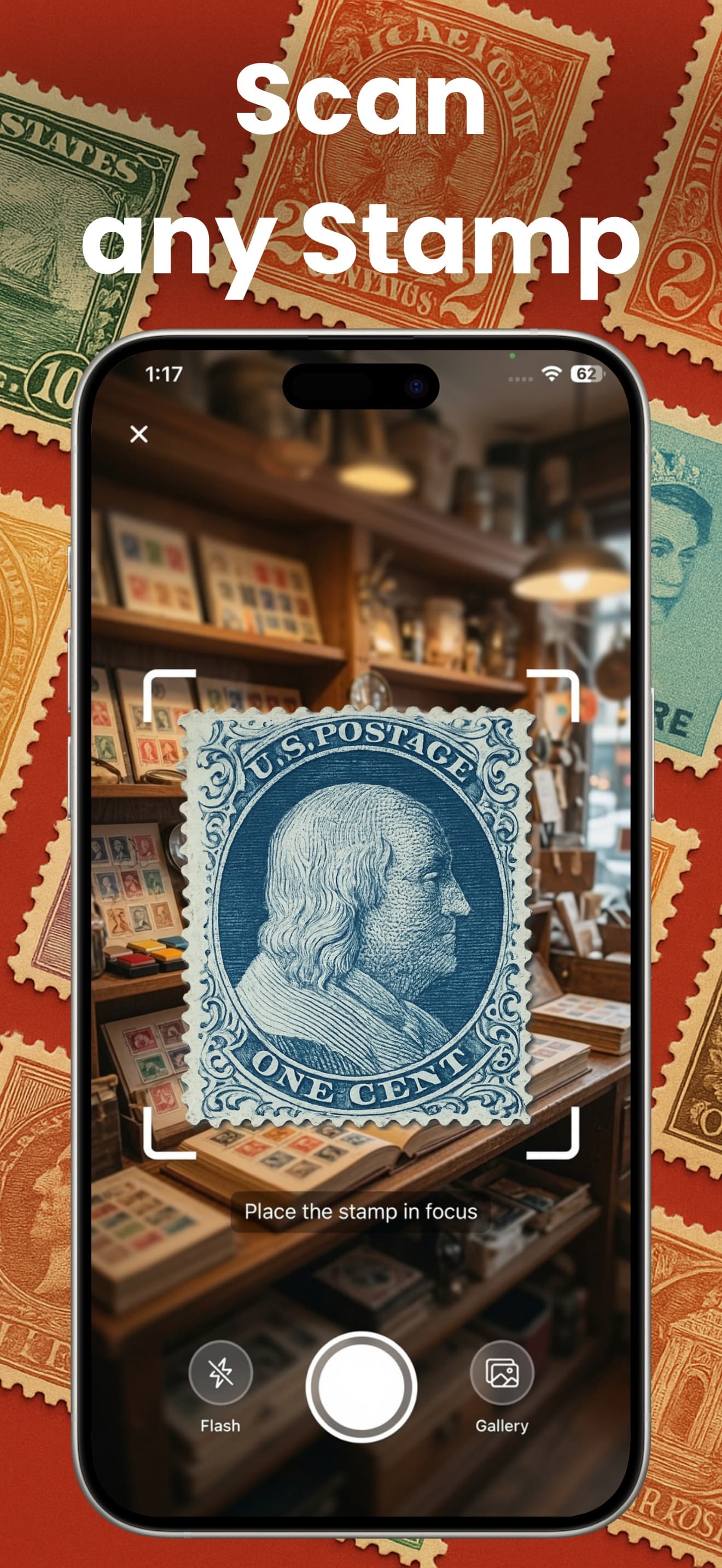
Scan one stamp in the block
Tap Scan Now and photograph a single stamp from the block, filling the frame, without separating anything.
- 2
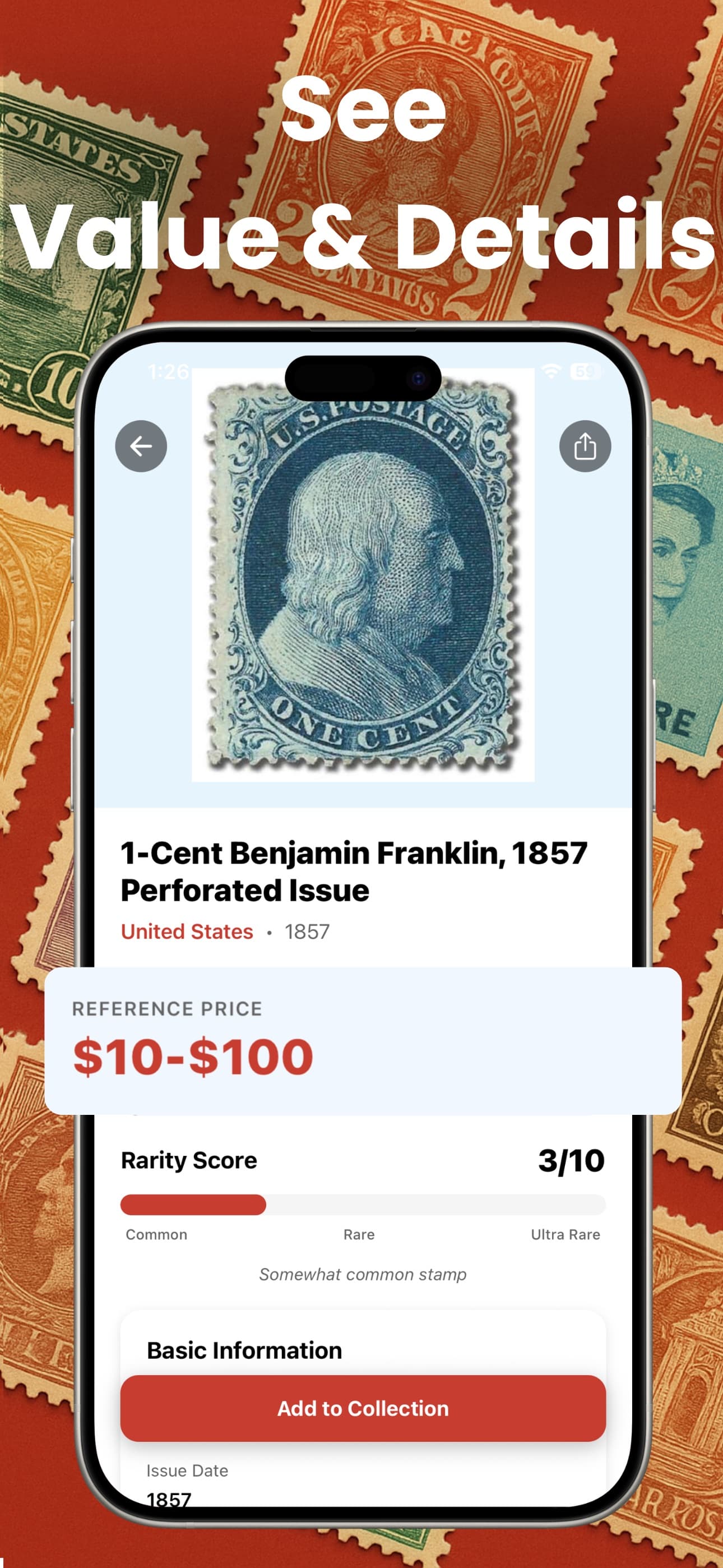
Check the issue and year
A pre-1940 issue with a meaningful reference price is worth researching as a plate block. A modern one usually isn't.
- 3
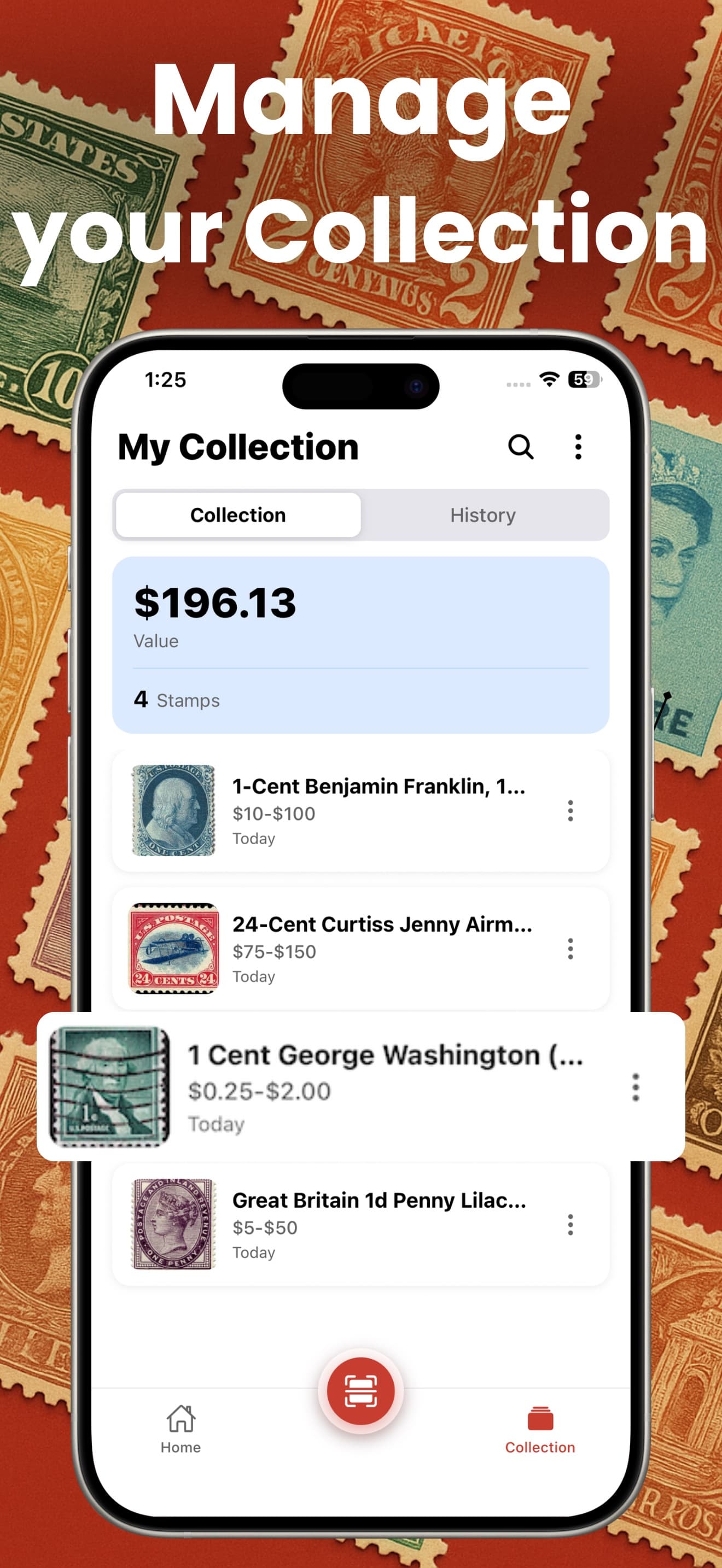
Log it as a block
Save the stamp to your collection and note in your own records that you hold it as a plate block, with the plate number.


Download gratuito per iOS e Android
Domande frequenti
Che differenza c'è tra blocco di tavola e blocco angolare?
Un blocco angolare è semplicemente un blocco preso dall'angolo di un foglio. Diventa blocco di tavola solo se il bordo attaccato porta il numero di tavola.
Si collezionano anche i blocchi di tavola canadesi?
Sì. Le emissioni canadesi si collezionano in blocchi di tavola da ciascun angolo del foglio, e cataloghi specializzati come Unitrade li elencano separatamente.
Un blocco di tavola vale più di quattro francobolli singoli?
Per le emissioni classiche di solito sì. Per quelle moderne raramente: entrambi tendono a valere più o meno il facciale.
Il numero di tavola cambia il valore?
A volte. Nelle emissioni in cui alcune tavole ebbero tirature molto più brevi, i blocchi da quelle tavole rare spuntano un premio. È terreno da specialisti, e i cataloghi riportano le differenze.
Devo conservare i blocchi di tavola in taschine?
Sì. Usa una taschina abbastanza grande da tenere piatti il blocco e il suo bordo, senza premere sulla dentellatura. Non mettere mai una linguella su un blocco di tavola moderno: anche solo un segno sul bordo riduce quanto pagherà un compratore.
