
收藏與出售
郵票怎麼從信封取下(以及什麼時候不要取)
更新於 · 4 分鐘閱讀 · StampGo 團隊
快速解答
多數郵票可以先把周圍紙張剪下,正面朝上放進幾公分深的溫水浸泡 15–20 分鐘,再輕輕分開並壓平晾乾。紅色與紫色郵票、自黏郵票,以及具歷史意義的實寄封不要浸水。
重點資料
- 溫水
- 不是熱水,比室溫稍暖即可
- 時間
- 多數郵票 15–20 分鐘
- 晾乾
- 夾在吸水紙之間,上面壓平重物
- 不要浸水
- 會暈開的油墨(部分紅色與紫色)、自黏郵票
- 保留整封
- 早期封、首日封、特殊郵戳、稀有郵票
- 自黏郵票
- 水沒用。需要專用溶劑,或連同紙張一起保存
Should I remove the stamp from the envelope at all?
Not always. A stamp on its original envelope can be worth more than the stamp alone when the cover is early, has an unusual rate, route or postmark, or carries a scarce stamp used correctly.
Soaking is fine for ordinary modern mail, which is where most collecting material comes from. It's a mistake on older or unusual covers, and it's irreversible. If an envelope looks old, was sent abroad, carries several stamps, or has registration, censor or airmail markings, keep it whole and ask before touching it.
See first day cover value and are old stamps worth money? for which covers are worth keeping intact.
How do I soak stamps off paper?
Trim the paper around each stamp, float them face-up on cool water, wait until they release on their own, lift them with tongs, rinse off the gum, and dry them flat.
- Trim the envelope paper to roughly 5 mm around each stamp, without cutting the perforations.
- Sort by paper color and stamp type, so anything that bleeds is soaked on its own.
- Float the pieces face-up in a shallow bowl of cool or lukewarm water. Don't crowd them.
- Wait 10–30 minutes. The stamp will separate on its own. Pulling early causes thins.
- Lift each stamp with tongs and rinse the remaining gum off the back in clean water.
- Dry face-up between sheets of blotting paper, kitchen towel or a drying book.
- Flatten under a light, even weight such as a heavy book, for a day.
Which stamps should never be soaked?
Anything on a collectable cover, stamps printed with inks that run, and stamps on strongly colored paper. Test a common example first if you're unsure.
- Collectable covers: early dates, unusual routes, scarce cancels, first day covers.
- Fugitive inks: some classic issues were deliberately printed with inks that run in water to prevent reuse. Test one cheap example first.
- Colored envelope paper: red, orange and manila paper bleeds and stains stamps permanently. Soak these one at a time.
- Stamps with pencil or ink notes you want to keep, and anything with a repair or hinge you're unsure about.
How do I remove self-adhesive stamps?
Modern self-adhesive stamps often refuse to float off. Give them a longer soak in warm water with a drop of dish soap, or simply trim them neatly on paper and collect them that way.
Self-adhesive gum is designed not to release in water. Many collectors accept this and keep modern used stamps on a neat rectangle of paper. If you want them clean, a longer warm soak works on some issues, and citrus-based solvents sold for the purpose work on others, though they need care and good ventilation.
Whatever you use, dry the stamp thoroughly before filing it. Residue left on the back attracts dirt and can stick to album pages.
How do I dry and flatten stamps after soaking?
Lay them face-up on absorbent paper, leave them until they're only slightly damp, then press them flat between clean sheets under a light weight overnight.
- Use blotting paper, plain kitchen towel or a purpose-made drying book. Avoid newsprint, whose ink transfers.
- Don't dry stamps on a radiator or in direct sun. They curl and colors fade.
- Press while very slightly damp for the flattest result.
- Check they're bone dry before filing, or they'll stick in the album.
What do I do with stamps after they've dried?
Check each one for damage, sort them by country into glassine envelopes or a stockbook, and set aside anything that looks scarce for a closer look before it goes into the album.
- Check the back against the light for thins caused by soaking or by an old hinge.
- Look at the perforations. Short or pulled perfs mean the stamp is filler material, not album material.
- Sort by country, then by era, into glassines or a stockbook.
- Set aside anything unusual: older designs, high denominations, odd perforations, anything that looks misprinted.
- Discard nothing valuable-looking because it's damaged. Scarce stamps are collected even with faults.
Soaking sessions are also the best time to start your inventory, since every stamp passes through your hands once. See how to organize a stamp collection.
逐步操作
How to check a stamp before you soak it with StampGo
The point of scanning first is simple: it tells you whether you're holding a common modern stamp or something that should stay on its envelope.
- 1
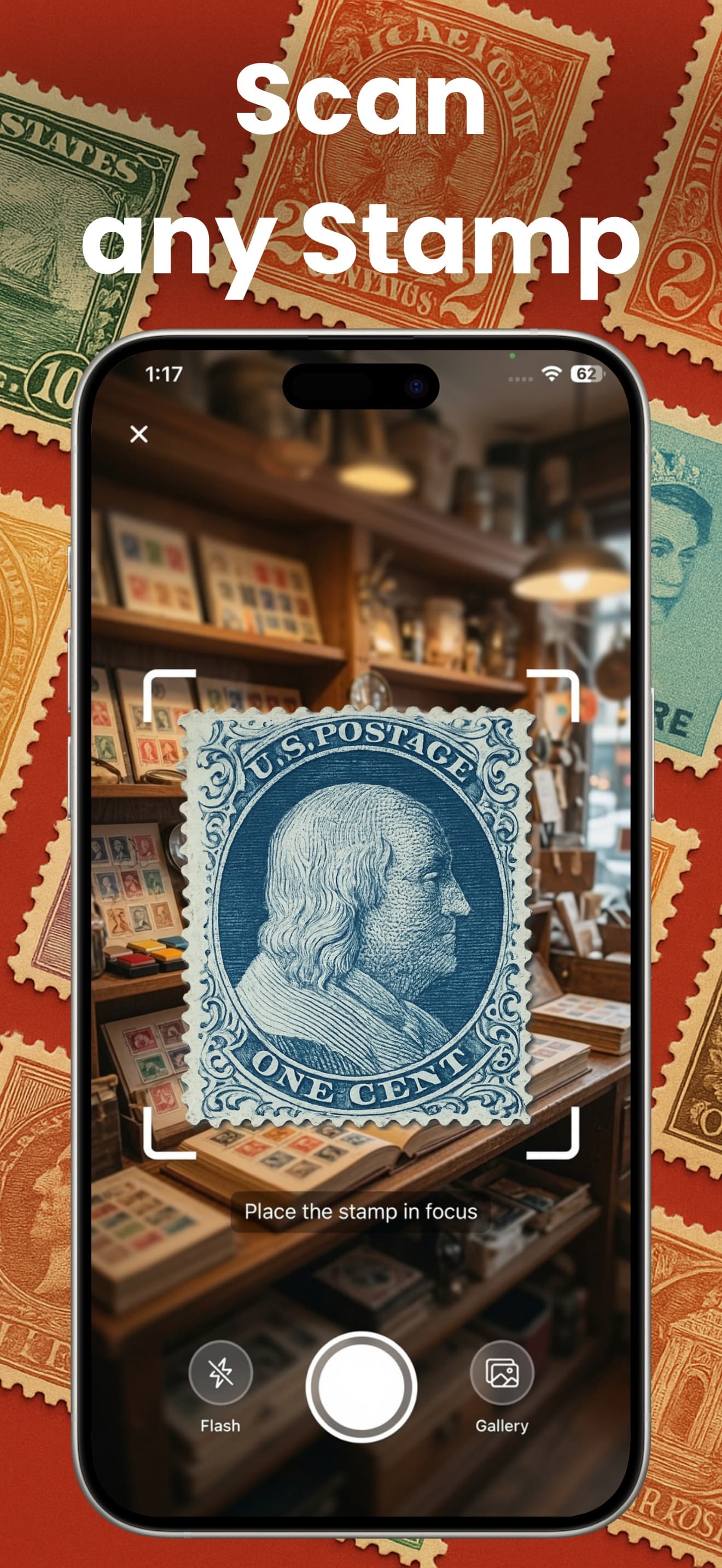
Scan the stamp while it's still on the cover
Tap Scan Now and photograph the stamp without removing it.
- 2
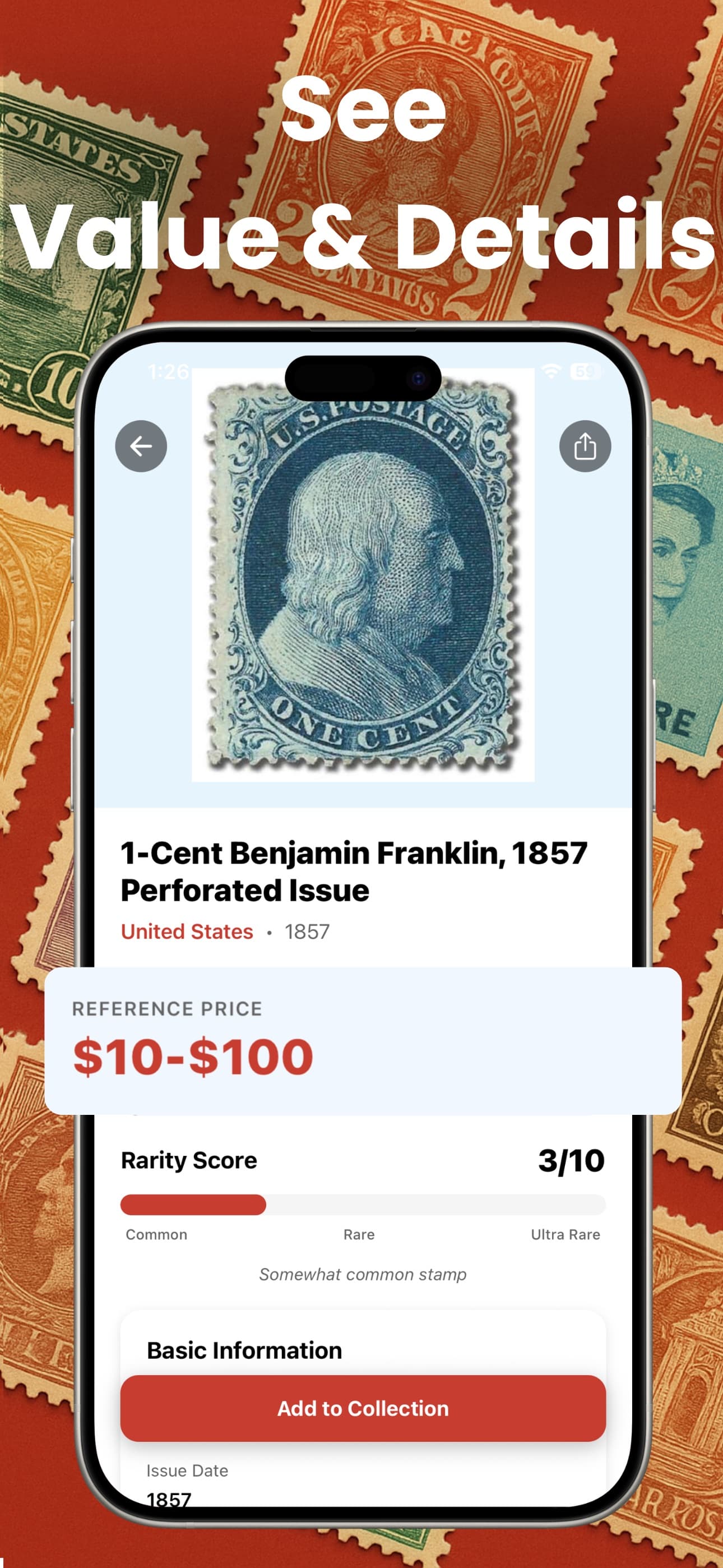
Check the issue and price range
A common modern issue is safe to soak. A high reference price or rarity score means stop and ask a dealer first.
- 3
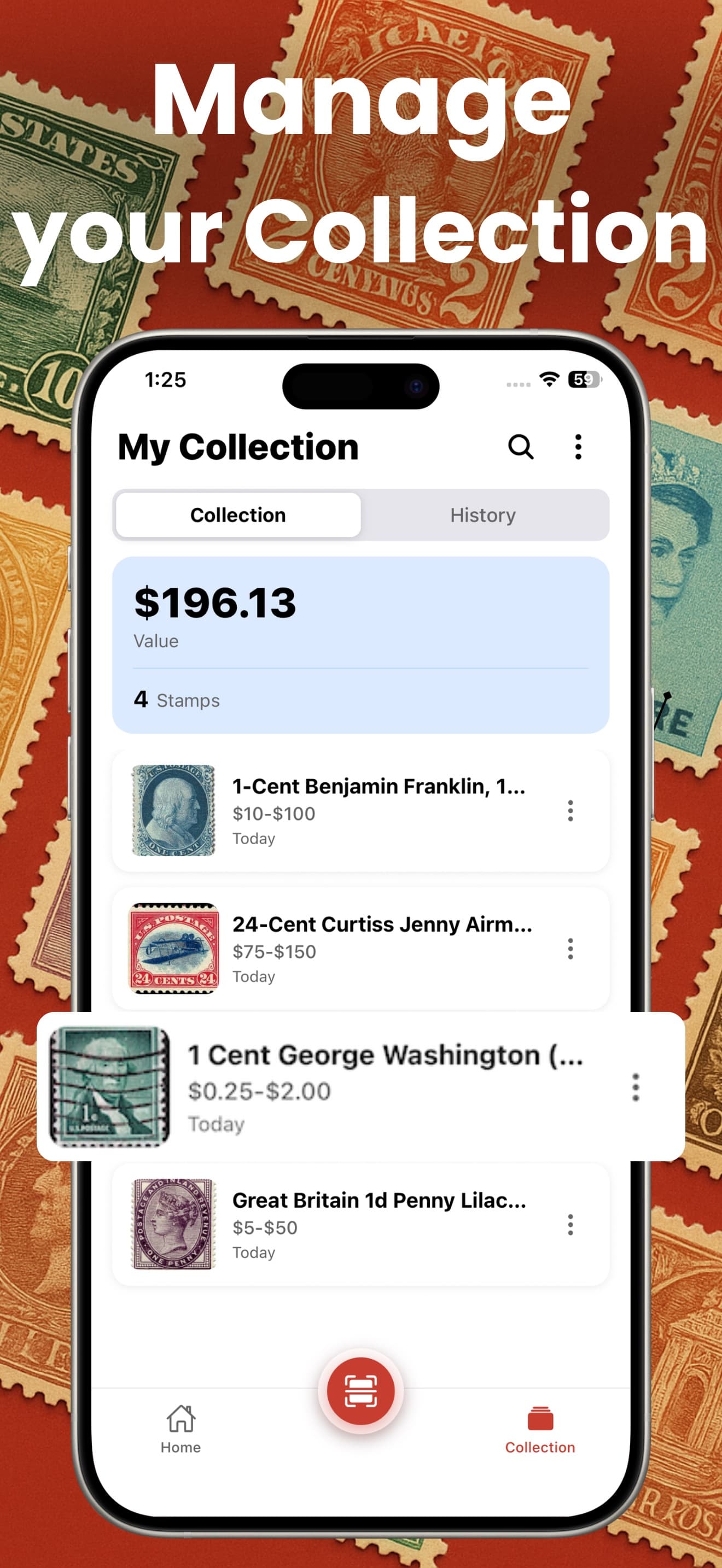
Save the ones worth keeping whole
Add them to your collection so you remember which covers were set aside, and why.


iOS 與 Android 免費下載
常見問題
浸水會降低價值嗎?
做得正確的話,常見銷戳票不會。但毀掉一張貼有稀有郵票或有趣郵戳的封,確實會降低價值。不確定就保留整封。
自黏郵票可以浸水嗎?
多數用溫水泡不下來。收藏者會用專用溶劑,或把郵票連同修整好的紙張一起保存。
郵票為什麼黏在一起?
濕氣會讓新票背面的膠重新活化。放冷凍庫一晚有時能分開,否則就得犧牲背膠去浸水。
浸過水的郵票怎麼壓平?
趁還微濕時夾進吸水紙,上面壓平重物放一晚。不要用直接加熱,紙張會捲曲。
