
知名郵票
首日封:你的封逐年代值多少
更新於 · 4 分鐘閱讀 · StampGo 團隊
快速解答
首日封(FDC)大多只值一點點,因為自 1940 年代起為收藏者製作了數以百萬計。一張封更值錢的條件是:年代早(約 1930 年前)、有稀有或手繪封繪、貼有稀有郵票或錯體、或帶有特殊郵戳。StampGo 能辨識封上的郵票,讓你知道從哪裡查起。
重點資料
- 什麼是 FDC
- 貼有新郵票、並蓋上發行當日郵戳的信封或明信片
- 封繪(cachet)
- 通常在信封左側的印刷、蓋印或手繪圖案
- 歷史
- 有組織的收藏始於 1920 年代,封繪製作在 1930 年代興盛
- 多數 FDC
- 只值一點點
- 更值錢的是
- 1930 年前的封、稀有或手繪封繪、稀有郵票、錯體
- 專業組織
- American First Day Cover Society(AFDCS)
What is a first day cover?
A first day cover is an envelope or card bearing a new stamp, cancelled on the stamp's first day of issue, usually in the official first-day city. Many carry a cachet: a printed or hand-drawn design related to the stamp.
First day cover collecting as we know it took off in the 1920s, and cachet-making became a full industry in the 1930s. Large cachet makers produced covers for nearly every new US stamp from then on, which is why so many survive.
How much are first day covers worth?
Most are worth a few dollars or less. First day covers were produced by the million for collectors, so supply far outstrips demand, except for early, unusual or specialist covers.
| Decade | Typical value | Worth more when |
|---|---|---|
| Before 1930 | Often tens of dollars and up | Early dates, scarce stamps, rare uncacheted covers |
| 1930s | A few dollars to tens | Early cachets by notable makers, hand-painted cachets |
| 1940s–1950s | Usually a few dollars | Unusual cachets, scarce stamps, special postmarks |
| 1960s–1980s | Usually under a few dollars | Hand-painted cachets, errors, small-run cachet makers |
| 1990s–today | Often less than the stamps' face value | Very limited cachets, errors |
Which first day covers are valuable?
Early covers, especially from before the 1920s, covers with scarce or hand-painted cachets, covers bearing expensive stamps or errors, and covers with unusual postmarks.
- Early first days: covers made before FDC collecting was organized are scarce.
- Hand-painted cachets, and limited-edition cachets by sought-after artists.
- High-value or rare stamps on cover, where the stamp alone is valuable.
- Errors on cover, such as a missing color or an imperforate stamp. See error stamps.
- Unusual postmarks: unofficial first-day cities, or covers cancelled before the official date (“pre-dates”).
Should I remove stamps from first day covers?
No. A first day cover's value lies in the whole item: the stamp, cancellation and cachet together. Removing the stamp destroys the cover's value, and a loose stamp is usually worth very little.
Store covers upright in boxes or cover albums, away from damp and sunlight, and avoid rubber bands and paper clips, which dent and stain envelopes.
How do I check what a first day cover is worth?
Identify the stamp and date, note the cachet maker and whether the cachet is hand-painted or printed, check the envelope's condition, and compare recent sales of the same cover.
The American First Day Cover Society (AFDCS) is the specialist organization for FDC collectors, and a good place to learn about cachet makers and values. For large accumulations, see how to value a stamp collection.
What makes a first day cover cachet valuable?
Scarcity and artistry. Early cachets, hand-painted or hand-drawn designs, small production runs and work by sought-after artists are worth more than mass-printed cachets from the big commercial makers.
- Early cachets: George W. Linn's 1923 cachet for the Harding memorial stamp is generally considered the first printed cachet, and cachets from the 1920s–30s are the most collectable.
- Hand-painted cachets: each one is unique, and collectors of particular artists pay premiums.
- Limited runs: covers produced in the hundreds rather than the tens of thousands.
- Mass-market cachets: printed by the big commercial makers in huge quantities, and usually worth little on their own.
How do I identify a first day cover's cachet maker?
Look for a name or logo on the back flap or in a corner of the cachet. Many commercial makers signed their covers, and collector references, including those from the American First Day Cover Society, catalogue cachet makers in detail.
Even without a name, the design style, the envelope and the printing method can point to a maker. Knowing the maker helps you compare like with like when you look up sold prices.
Are British and other countries' first day covers worth anything?
The same rules apply: most modern covers are worth little, while early covers, scarce postmarks and special cachets are worth more. British first day covers from before the 1960s are scarcer than later ones, when official Post Office covers became widely available.
On British covers, special handstamps and the town where the cover was cancelled can matter as much as the cachet. Covers bearing high-value stamps, such as the 1929 £1 PUC, are sought after. See UK stamp values.
逐步操作
How to check a first day cover with StampGo
The stamp is the starting point. StampGo identifies it from a photo, and the checklist above helps you judge the rest of the cover.
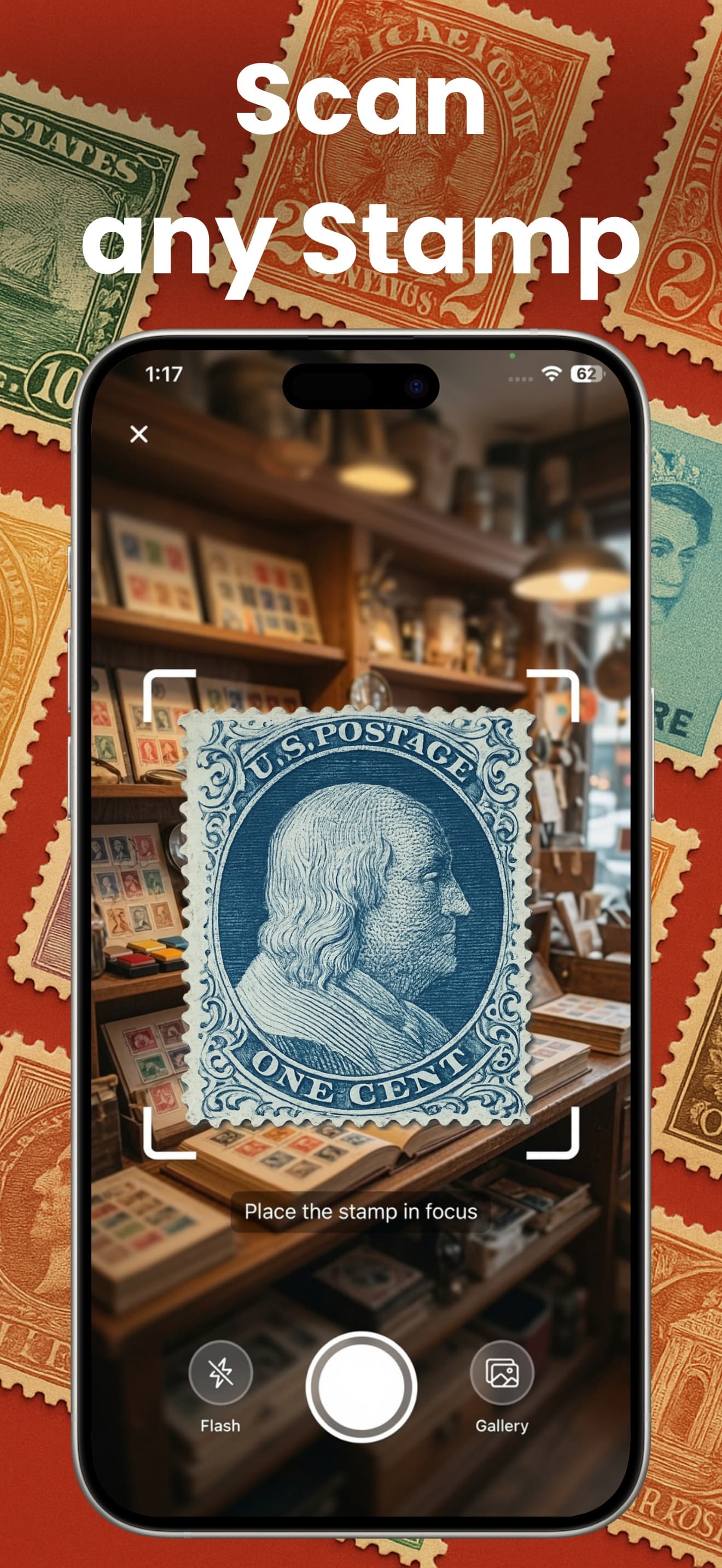
- 1
Scan the stamp on the cover
Tap Scan Now and photograph the stamp, leaving it on the envelope.
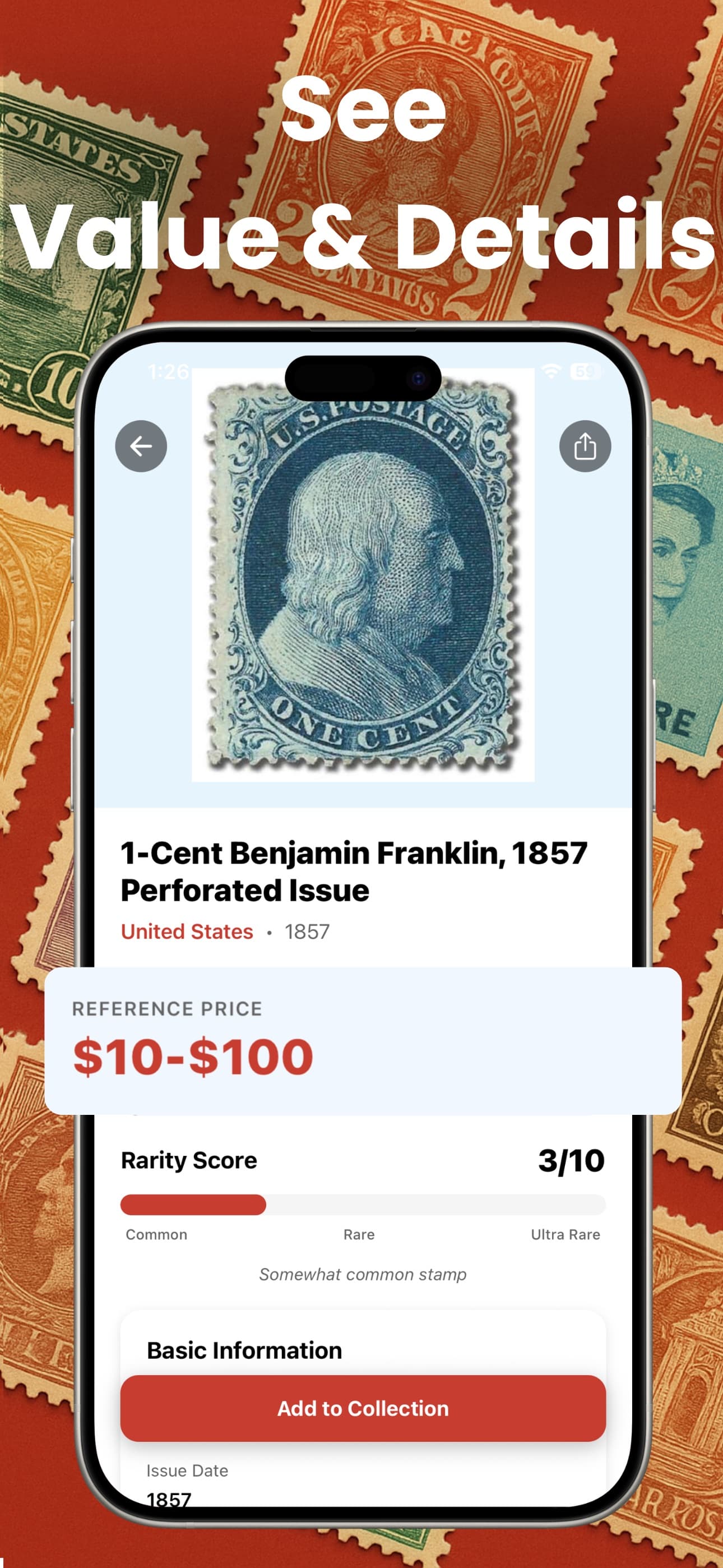
- 2
See the issue, year and value
StampGo identifies the stamp and its year, and gives a reference price for the stamp itself.
- 3
Judge the cover
Check the cachet, the postmark date and the condition. Hand-painted cachets and early dates add value.
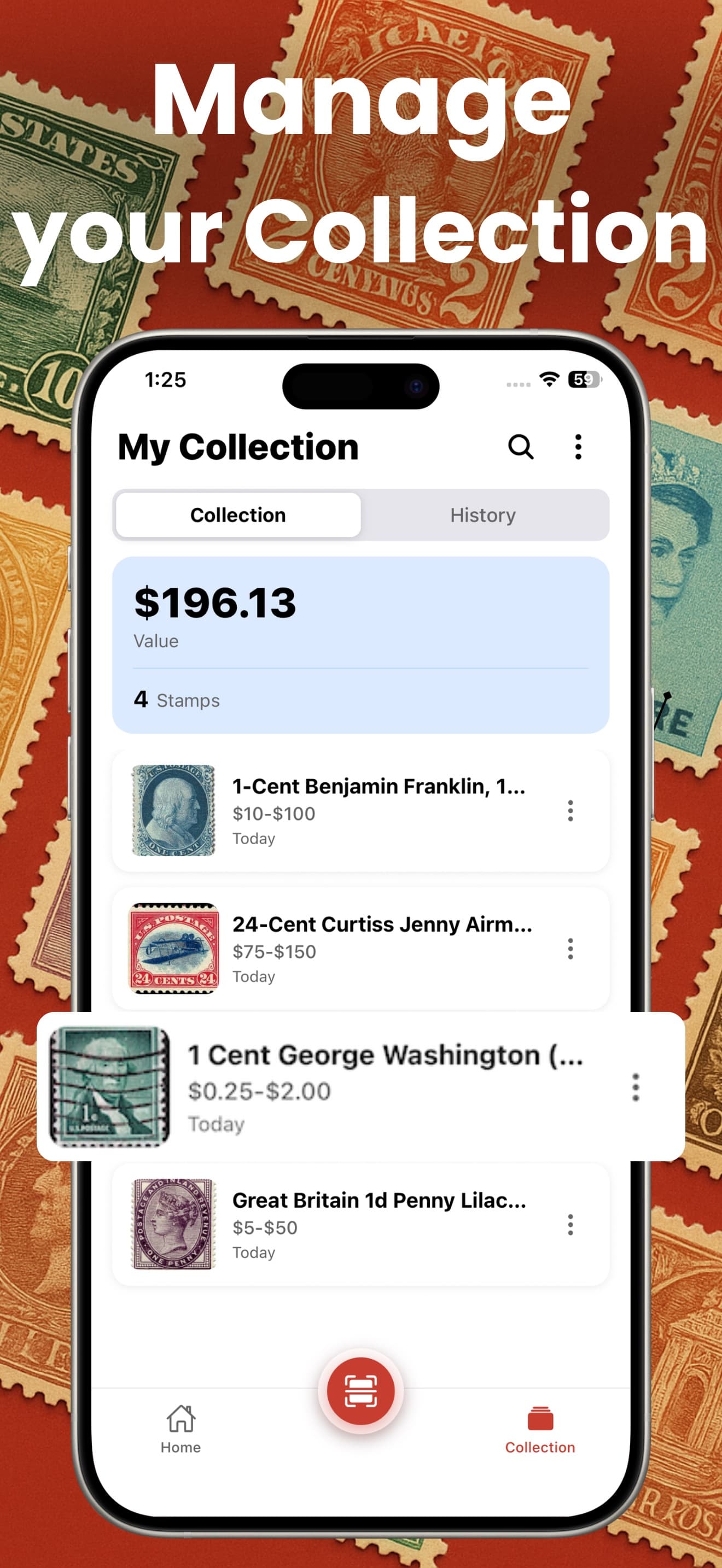
- 4
Save it to your collection
Add it to your collection to keep a record alongside your other stamps.


iOS 與 Android 免費下載
常見問題
首日封值錢嗎?
通常很低。多數只值一點點,但早期封、手繪或稀有封繪,以及貼有稀有郵票或錯體的封,可以高出許多。
1960、1970 年代的首日封值多少?
大多每張只值很少,因為製作量極大。例外是手繪封繪與稀有製作者的封。
首日封上的封繪是什麼?
是與郵票或事件相關的圖案,通常印刷、蓋印或手繪在信封左側。
首日封可以賣到哪裡?
常見 FDC 整批在網路上或賣給郵商會比較划算。較好的封可以透過專業郵商、郵展,或 American First Day Cover Society 賣給其他收藏者。
