
Ünlü pullar
İlk gün zarfları: sizinkiler ne kadar eder, on yıl on yıl
Güncellendi · 5 dk okuma · StampGo ekibi
Kısa yanıt
İlk gün zarflarının (FDC) çoğu birkaç yüz lira ya da daha az eder, çünkü özellikle 1940'lardan sonra koleksiyoncular için milyonlarcası üretildi. Bir zarf; erkense (yaklaşık 1930 öncesi), nadir ya da elle boyanmış resimli damga taşıyorsa, üzerinde nadir bir pul veya baskı hatası varsa ya da alışılmadık bir damga taşıyorsa daha çok eder. StampGo zarftaki pulu tanır, böylece nereden başlayacağınızı bilirsiniz.
Temel bilgiler
- FDC nedir
- Yeni bir pul taşıyan ve çıkış günü damgalanmış zarf veya kart
- Resimli damga (cachet)
- Zarfın genelde solundaki basılı, damgalı ya da elle çizilmiş tasarım
- Tarihçe
- Örgütlü koleksiyonculuk 1920'lerde başladı, resimli damga üretimi 1930'larda parladı
- FDC'lerin çoğu
- Birkaç yüz lira ya da daha az
- Daha çok eder
- 1930 öncesi zarflar, nadir ya da elle boyanmış resimli damgalar, nadir pullar, hatalar
- Uzman dernek
- American First Day Cover Society (AFDCS)
What is a first day cover?
A first day cover is an envelope or card bearing a new stamp, cancelled on the stamp's first day of issue, usually in the official first-day city. Many carry a cachet: a printed or hand-drawn design related to the stamp.
First day cover collecting as we know it took off in the 1920s, and cachet-making became a full industry in the 1930s. Large cachet makers produced covers for nearly every new US stamp from then on, which is why so many survive.
How much are first day covers worth?
Most are worth a few dollars or less. First day covers were produced by the million for collectors, so supply far outstrips demand, except for early, unusual or specialist covers.
| Decade | Typical value | Worth more when |
|---|---|---|
| Before 1930 | Often tens of dollars and up | Early dates, scarce stamps, rare uncacheted covers |
| 1930s | A few dollars to tens | Early cachets by notable makers, hand-painted cachets |
| 1940s–1950s | Usually a few dollars | Unusual cachets, scarce stamps, special postmarks |
| 1960s–1980s | Usually under a few dollars | Hand-painted cachets, errors, small-run cachet makers |
| 1990s–today | Often less than the stamps' face value | Very limited cachets, errors |
Which first day covers are valuable?
Early covers, especially from before the 1920s, covers with scarce or hand-painted cachets, covers bearing expensive stamps or errors, and covers with unusual postmarks.
- Early first days: covers made before FDC collecting was organized are scarce.
- Hand-painted cachets, and limited-edition cachets by sought-after artists.
- High-value or rare stamps on cover, where the stamp alone is valuable.
- Errors on cover, such as a missing color or an imperforate stamp. See error stamps.
- Unusual postmarks: unofficial first-day cities, or covers cancelled before the official date (“pre-dates”).
Should I remove stamps from first day covers?
No. A first day cover's value lies in the whole item: the stamp, cancellation and cachet together. Removing the stamp destroys the cover's value, and a loose stamp is usually worth very little.
Store covers upright in boxes or cover albums, away from damp and sunlight, and avoid rubber bands and paper clips, which dent and stain envelopes.
How do I check what a first day cover is worth?
Identify the stamp and date, note the cachet maker and whether the cachet is hand-painted or printed, check the envelope's condition, and compare recent sales of the same cover.
The American First Day Cover Society (AFDCS) is the specialist organization for FDC collectors, and a good place to learn about cachet makers and values. For large accumulations, see how to value a stamp collection.
What makes a first day cover cachet valuable?
Scarcity and artistry. Early cachets, hand-painted or hand-drawn designs, small production runs and work by sought-after artists are worth more than mass-printed cachets from the big commercial makers.
- Early cachets: George W. Linn's 1923 cachet for the Harding memorial stamp is generally considered the first printed cachet, and cachets from the 1920s–30s are the most collectable.
- Hand-painted cachets: each one is unique, and collectors of particular artists pay premiums.
- Limited runs: covers produced in the hundreds rather than the tens of thousands.
- Mass-market cachets: printed by the big commercial makers in huge quantities, and usually worth little on their own.
How do I identify a first day cover's cachet maker?
Look for a name or logo on the back flap or in a corner of the cachet. Many commercial makers signed their covers, and collector references, including those from the American First Day Cover Society, catalogue cachet makers in detail.
Even without a name, the design style, the envelope and the printing method can point to a maker. Knowing the maker helps you compare like with like when you look up sold prices.
Are British and other countries' first day covers worth anything?
The same rules apply: most modern covers are worth little, while early covers, scarce postmarks and special cachets are worth more. British first day covers from before the 1960s are scarcer than later ones, when official Post Office covers became widely available.
On British covers, special handstamps and the town where the cover was cancelled can matter as much as the cachet. Covers bearing high-value stamps, such as the 1929 £1 PUC, are sought after. See UK stamp values.
Adım adım
How to check a first day cover with StampGo
The stamp is the starting point. StampGo identifies it from a photo, and the checklist above helps you judge the rest of the cover.
- 1
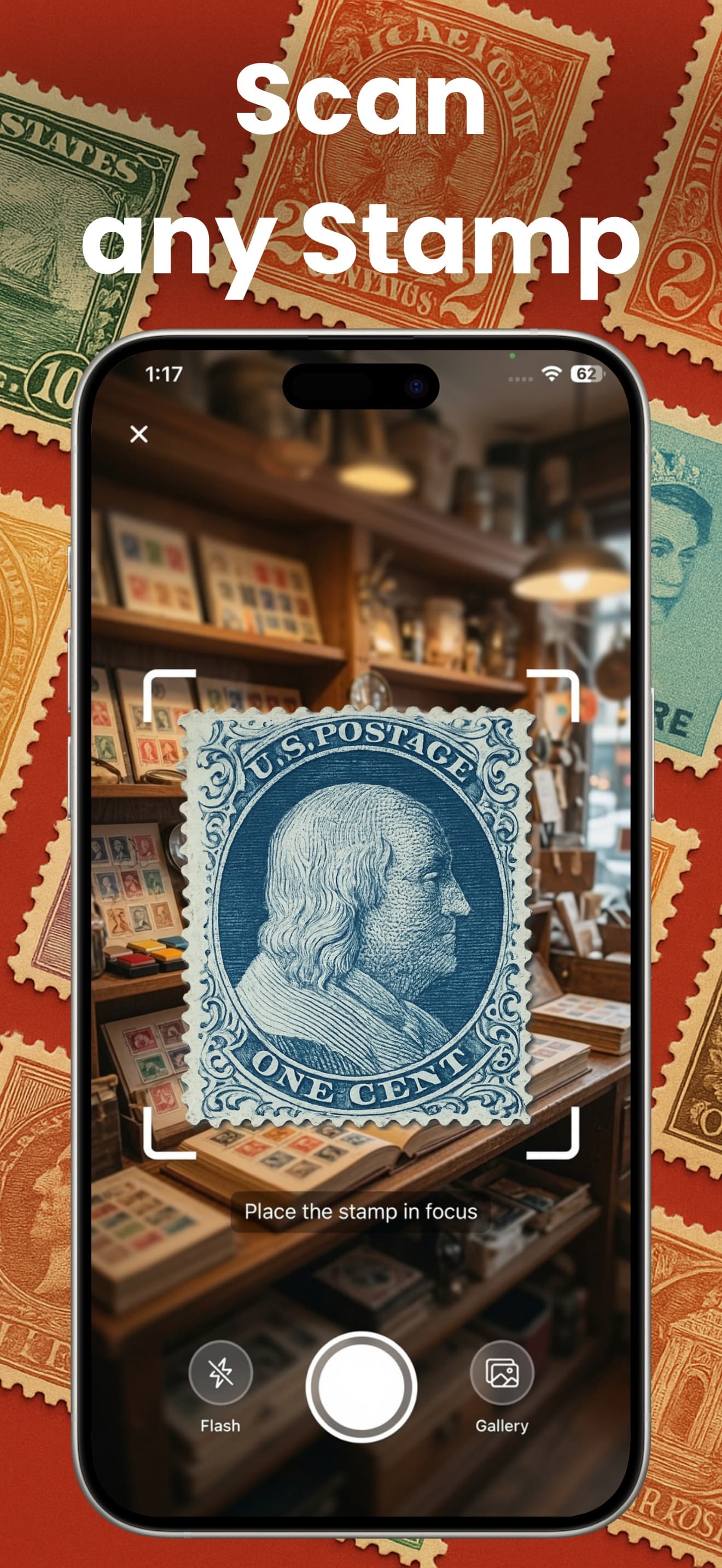
Scan the stamp on the cover
Tap Scan Now and photograph the stamp, leaving it on the envelope.
- 2
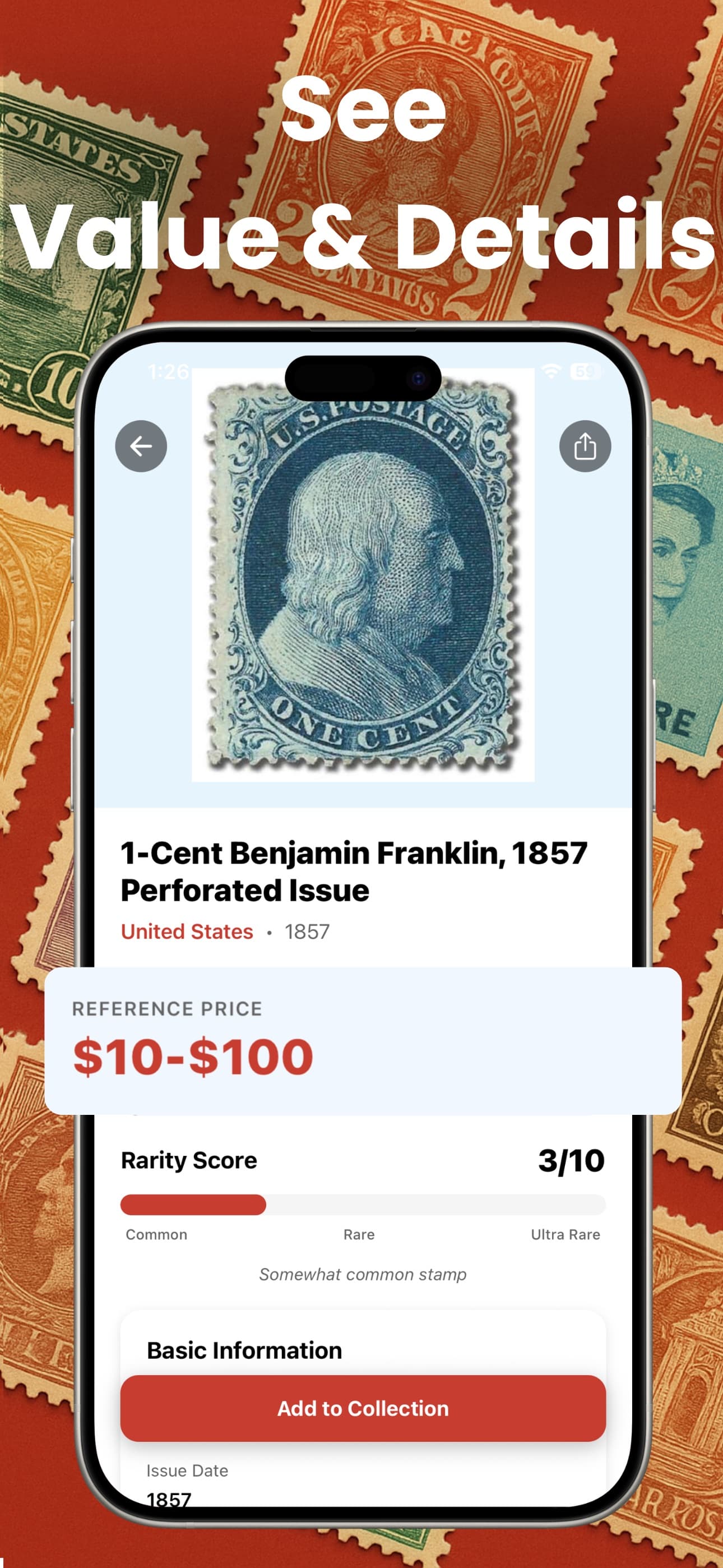
See the issue, year and value
StampGo identifies the stamp and its year, and gives a reference price for the stamp itself.
- 3
Judge the cover
Check the cachet, the postmark date and the condition. Hand-painted cachets and early dates add value.
- 4
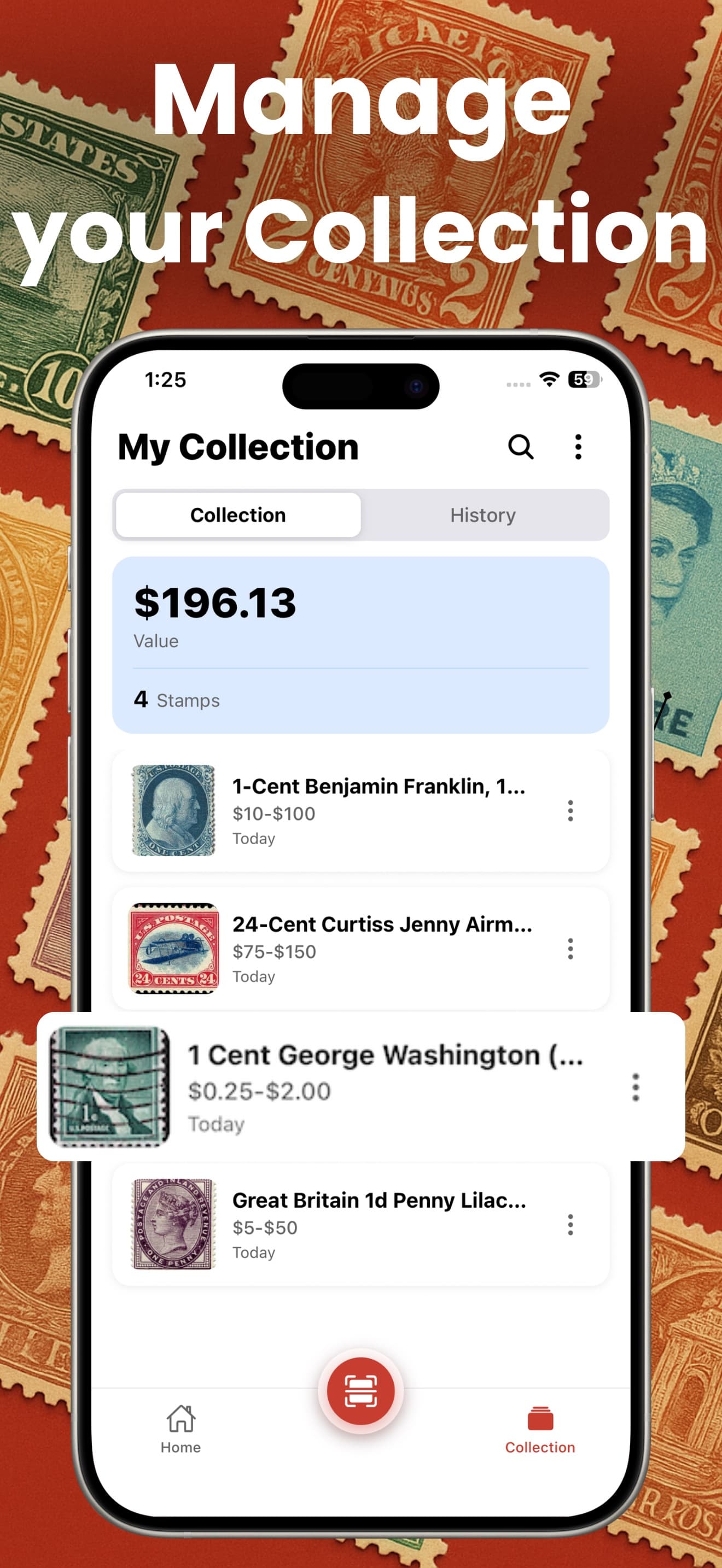
Save it to your collection
Add it to your collection to keep a record alongside your other stamps.


iOS ve Android için ücretsiz indirilir
Sık sorulan sorular
İlk gün zarfları bir şey eder mi?
Genelde çok az. Çoğu birkaç yüz lira ya da daha aza gider, ancak erken zarflar, elle boyanmış veya nadir resimli damgalar ve nadir pul veya baskı hatası taşıyan zarflar çok daha fazla edebilir.
1960 ve 1970'lerin ilk gün zarfları ne kadar eder?
Çoğu tanesi birkaç yüz liranın altında, çünkü çok yüksek adetlerde üretildiler. İstisnalar elle boyanmış resimli damgalar ve nadir üreticilerdir.
İlk gün zarfındaki cachet nedir?
Pulla ya da vesileyle ilgili olan, genelde zarfın sol tarafındaki basılı, damgalı veya elle çizilmiş tasarımdır.
İlk gün zarflarını nerede satabilirim?
Sıradan FDC'ler toplu olarak, internette ya da tüccarlara satıldığında daha iyi getirir. Daha iyi zarflar uzman tüccarlara, pul sergilerine veya American First Day Cover Society aracılığıyla diğer koleksiyonculara gidebilir.
