
著名邮票
首日封:按年代看你的封值多少钱
更新于 · 4 分钟阅读 · StampGo 团队
快速回答
大多数首日封(FDC)只值几十元或更少,因为它们为集邮者大量制作,1940 年代以后尤其如此。封更值钱的情形是:年代较早(约 1930 年前)、带有稀有或手绘纪念图案、贴着稀有邮票或错版票,或有不寻常的邮戳。StampGo 能识别封上的邮票,让你知道从哪里入手。
关键信息
- 首日封是什么
- 贴有新邮票并在发行首日加盖邮戳的信封或明信片
- 纪念图案(cachet)
- 信封左侧的印制、加盖或手绘图案
- 历史
- 有组织的收藏始于 1920 年代,纪念图案制作在 1930 年代兴盛
- 多数首日封
- 几十元或更少
- 更值钱的
- 1930 年前的封、稀有或手绘图案、稀有邮票、错版票
- 专门团体
- 美国首日封协会(AFDCS)
What is a first day cover?
A first day cover is an envelope or card bearing a new stamp, cancelled on the stamp's first day of issue, usually in the official first-day city. Many carry a cachet: a printed or hand-drawn design related to the stamp.
First day cover collecting as we know it took off in the 1920s, and cachet-making became a full industry in the 1930s. Large cachet makers produced covers for nearly every new US stamp from then on, which is why so many survive.
How much are first day covers worth?
Most are worth a few dollars or less. First day covers were produced by the million for collectors, so supply far outstrips demand, except for early, unusual or specialist covers.
| Decade | Typical value | Worth more when |
|---|---|---|
| Before 1930 | Often tens of dollars and up | Early dates, scarce stamps, rare uncacheted covers |
| 1930s | A few dollars to tens | Early cachets by notable makers, hand-painted cachets |
| 1940s–1950s | Usually a few dollars | Unusual cachets, scarce stamps, special postmarks |
| 1960s–1980s | Usually under a few dollars | Hand-painted cachets, errors, small-run cachet makers |
| 1990s–today | Often less than the stamps' face value | Very limited cachets, errors |
Which first day covers are valuable?
Early covers, especially from before the 1920s, covers with scarce or hand-painted cachets, covers bearing expensive stamps or errors, and covers with unusual postmarks.
- Early first days: covers made before FDC collecting was organized are scarce.
- Hand-painted cachets, and limited-edition cachets by sought-after artists.
- High-value or rare stamps on cover, where the stamp alone is valuable.
- Errors on cover, such as a missing color or an imperforate stamp. See error stamps.
- Unusual postmarks: unofficial first-day cities, or covers cancelled before the official date (“pre-dates”).
Should I remove stamps from first day covers?
No. A first day cover's value lies in the whole item: the stamp, cancellation and cachet together. Removing the stamp destroys the cover's value, and a loose stamp is usually worth very little.
Store covers upright in boxes or cover albums, away from damp and sunlight, and avoid rubber bands and paper clips, which dent and stain envelopes.
How do I check what a first day cover is worth?
Identify the stamp and date, note the cachet maker and whether the cachet is hand-painted or printed, check the envelope's condition, and compare recent sales of the same cover.
The American First Day Cover Society (AFDCS) is the specialist organization for FDC collectors, and a good place to learn about cachet makers and values. For large accumulations, see how to value a stamp collection.
What makes a first day cover cachet valuable?
Scarcity and artistry. Early cachets, hand-painted or hand-drawn designs, small production runs and work by sought-after artists are worth more than mass-printed cachets from the big commercial makers.
- Early cachets: George W. Linn's 1923 cachet for the Harding memorial stamp is generally considered the first printed cachet, and cachets from the 1920s–30s are the most collectable.
- Hand-painted cachets: each one is unique, and collectors of particular artists pay premiums.
- Limited runs: covers produced in the hundreds rather than the tens of thousands.
- Mass-market cachets: printed by the big commercial makers in huge quantities, and usually worth little on their own.
How do I identify a first day cover's cachet maker?
Look for a name or logo on the back flap or in a corner of the cachet. Many commercial makers signed their covers, and collector references, including those from the American First Day Cover Society, catalogue cachet makers in detail.
Even without a name, the design style, the envelope and the printing method can point to a maker. Knowing the maker helps you compare like with like when you look up sold prices.
Are British and other countries' first day covers worth anything?
The same rules apply: most modern covers are worth little, while early covers, scarce postmarks and special cachets are worth more. British first day covers from before the 1960s are scarcer than later ones, when official Post Office covers became widely available.
On British covers, special handstamps and the town where the cover was cancelled can matter as much as the cachet. Covers bearing high-value stamps, such as the 1929 £1 PUC, are sought after. See UK stamp values.
分步操作
How to check a first day cover with StampGo
The stamp is the starting point. StampGo identifies it from a photo, and the checklist above helps you judge the rest of the cover.
- 1
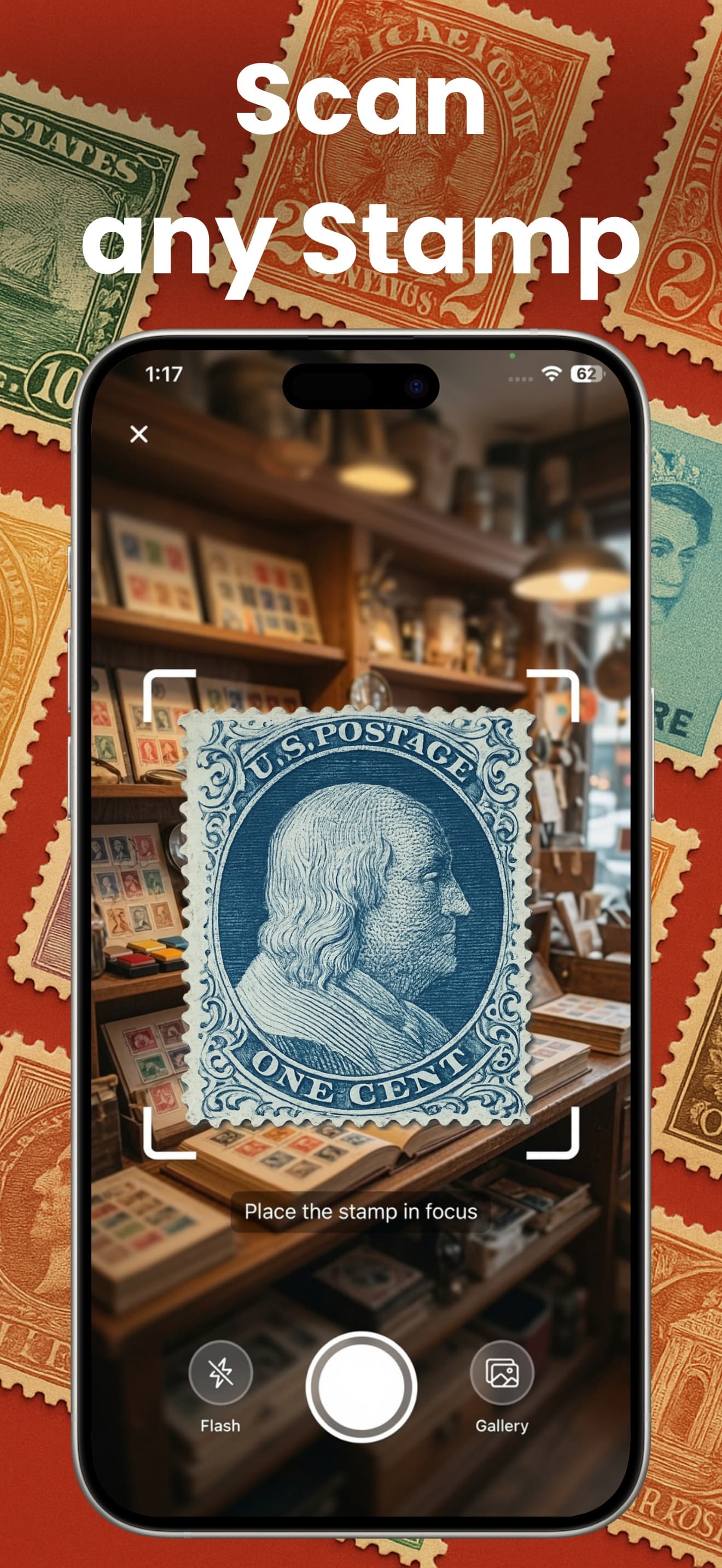
Scan the stamp on the cover
Tap Scan Now and photograph the stamp, leaving it on the envelope.
- 2
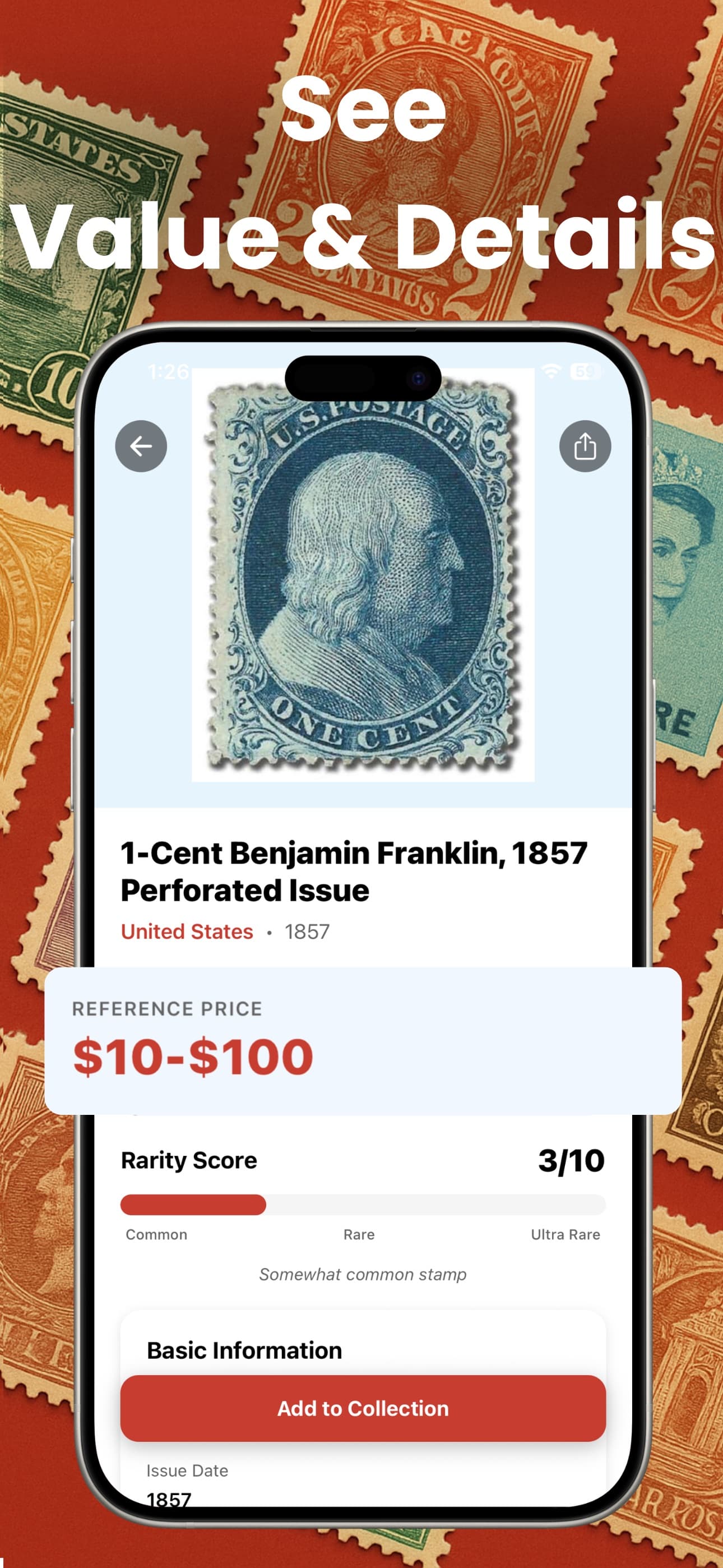
See the issue, year and value
StampGo identifies the stamp and its year, and gives a reference price for the stamp itself.
- 3
Judge the cover
Check the cachet, the postmark date and the condition. Hand-painted cachets and early dates add value.
- 4
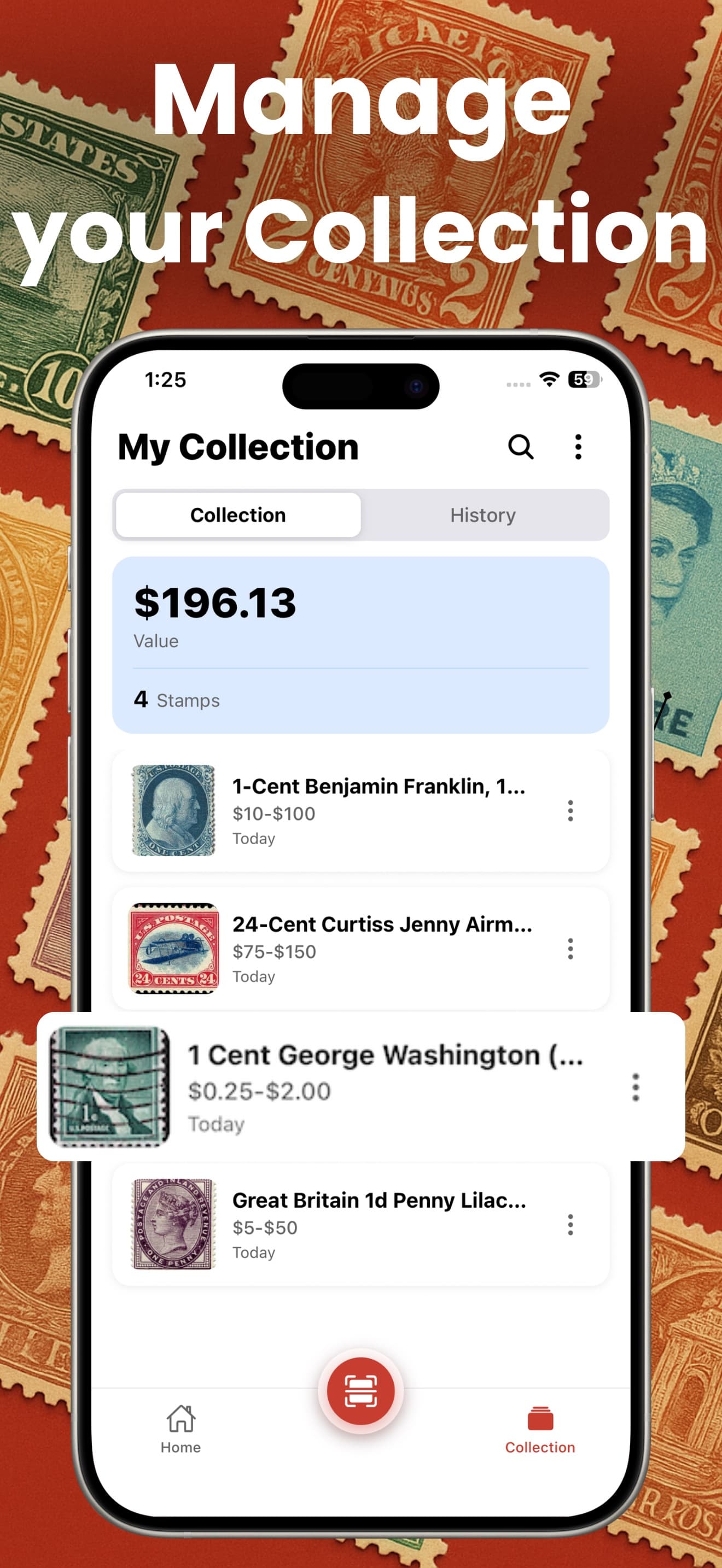
Save it to your collection
Add it to your collection to keep a record alongside your other stamps.


iOS 与 Android 免费下载
常见问题
首日封值钱吗?
通常只值一点点。多数只值几十元或更少,但早期封、手绘或稀有纪念图案,以及贴着稀有邮票或错版票的封,可能值钱得多。
1960、1970 年代的首日封值多少?
大多每枚不到几十元,因为产量巨大。例外是手绘纪念图案和稀有制作商的作品。
首日封上的 cachet 是什么?
就是与邮票或纪念事件相关的图案,通常位于信封左侧,可以是印制、加盖或手绘的。
首日封可以在哪里出售?
普通的首日封成批在网上或卖给邮商最划算。较好的封可以交给专业邮商、在邮展出售,或通过美国首日封协会卖给其他收藏者。
