
Collections & selling
Where to Buy Stamps for a Collection Without Overpaying
Updated · 5 min read · By the StampGo team
Quick answer
Buy cheap material as mixtures and lots from dealers, clubs and online marketplaces, and buy better single stamps from established dealers or auction houses where you can check condition and return the item. Above a few hundred dollars, buy only stamps that come with an expert certificate.
Key facts
- Cheapest material
- Mixtures and kiloware sold by weight, and club circuit books
- Best for single stamps
- Established dealers and specialist auction houses
- Best for browsing
- Stamp shows and bourses, where you can examine stamps in person
- Price check
- Recent sold prices, not asking prices or catalogue value
- Above a few hundred dollars
- Buy certified stamps only
- Avoid
- “Investment” packets, gold-foil novelties and lots described as rare
Where can I buy stamps for a collection?
From stamp dealers, auction houses, stamp shows, online marketplaces, club circuit books and postal administrations. Which one suits you depends on whether you're filling gaps or buying in bulk.
| Source | Best for | Watch out for |
|---|---|---|
| Stamp dealer (shop or online) | Specific stamps, advice, reliable descriptions | Retail prices, though usually fair for the grade |
| Auction house | Better single stamps, rarities, whole collections | Buyer's premium on top of the hammer price |
| Stamp show or bourse | Examining stamps in person and comparing dealers | Impulse buying. Take a want list |
| Online marketplace | Choice and price, especially common material | Photos that hide faults, and optimistic descriptions |
| Club circuit books | Cheap stamps from other members | Needs club membership, and stock varies |
| Postal administrations | New issues at face value | New issues rarely rise above face value |
Societies such as the American Philatelic Society publish dealer directories whose members sign up to a code of ethics, which is a sensible place to start.
How do I avoid overpaying for stamps?
Price from recent sold results rather than catalogue value or asking prices, and buy the best condition you can afford instead of several weak copies.
- Catalogue value is a reference, not a price. Common stamps routinely sell for a fraction of it. See what are my stamps worth?
- Grade before you bid. Centering, gum and faults move price more than the catalogue number does.
- One good stamp beats three poor ones. Weak copies are hard to resell at any price.
- Watch the extras. Buyer's premium, postage, insurance and customs can add a lot to a cheap lot.
How do I avoid fakes, repairs and reprints?
Buy from sellers who accept returns, insist on a certificate for expensive stamps, and learn the common tricks: reperforated edges, regummed backs, faked overprints and added cancels.
Any stamp valuable enough to fake has been faked. Certificates from services such as APEX, the Philatelic Foundation and BPA Expertising exist precisely so buyers don't have to take a seller's word. For a stamp costing hundreds of dollars or more, a certificate isn't optional. See how to tell if a stamp is rare.
What should a beginner buy first?
Buy material, not rarities: a mixture or two, a stockbook, and maybe a cheap country packet. Spend on single stamps only once you can identify and grade them yourself.
Kiloware, stamps still on paper sold by weight, is the classic starting purchase. It's cheap, it teaches you soaking and sorting, and it throws up surprises. See how to start a stamp collection and how to remove stamps from envelopes.
How do I buy stamps online safely?
Check the seller's feedback and returns policy, insist on clear photos of the front and back, read the condition description closely, and pay in a way that gives you buyer protection.
- Ask for a scan of the back if it isn't shown. Thins, repairs and regumming hide there.
- Read the description for the words that matter: faults, thin, crease, reperforated, regummed, “as is”.
- Look for a returns window, and inspect the stamp the day it arrives.
- For expensive stamps, ask whether it's certified, and by whom.
- Factor in shipping, insurance and any import charges before you decide it's cheap.
What should I expect to pay for common stamps?
Common used stamps cost a few cents each in mixtures and packets, and better single stamps are priced from catalogue value with a discount that depends on condition and demand. The gap between those two worlds is where beginners get caught.
| What you're buying | What it usually costs |
|---|---|
| Mixtures and kiloware by weight | A fraction of a cent per stamp |
| Packets of sorted, different stamps | A few cents per stamp |
| Common album-filler singles | Cents each, often sold in bulk lots |
| Better singles in collectable condition | A discount to catalogue value, varying with demand |
| Scarce, certified stamps | Auction prices, where condition sets the range |
The practical rule: never pay single-stamp prices for material that turns up in every mixture, and don't expect mixture prices for stamps that dealers actually have to find. When in doubt, check recent sold prices before you buy. See what are my stamps worth?
Step by step
How to check a stamp before you buy it with StampGo
Scanning a listing photo is a fast sanity check: it tells you what the stamp actually is and the range it normally trades in, before you bid.
- 1
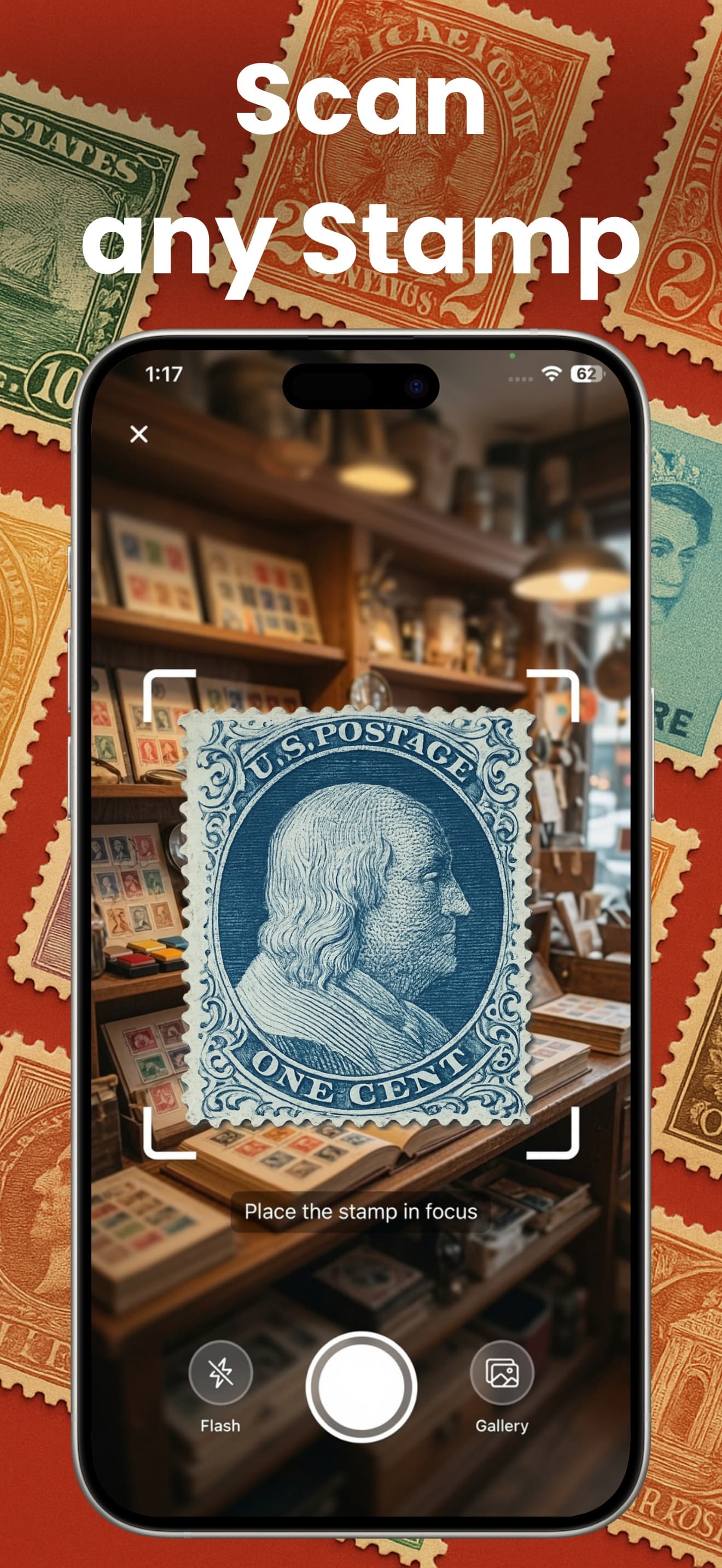
Scan the seller's photo
Save the listing image and open it with Gallery in the scanner, instead of the camera.
- 2
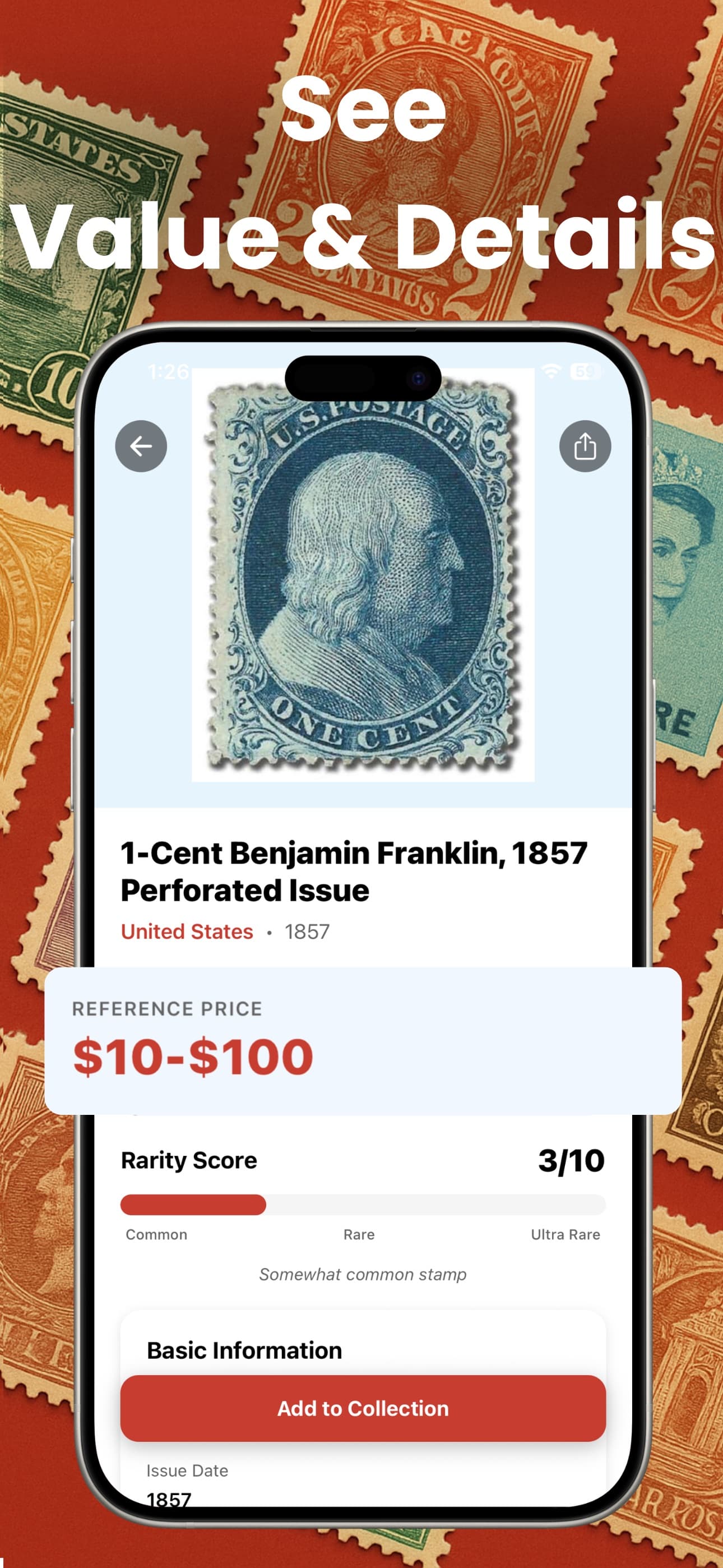
Compare the reference price
Compare the issue and the reference price range with the asking price. A big gap is a question, not a bargain.
- 3
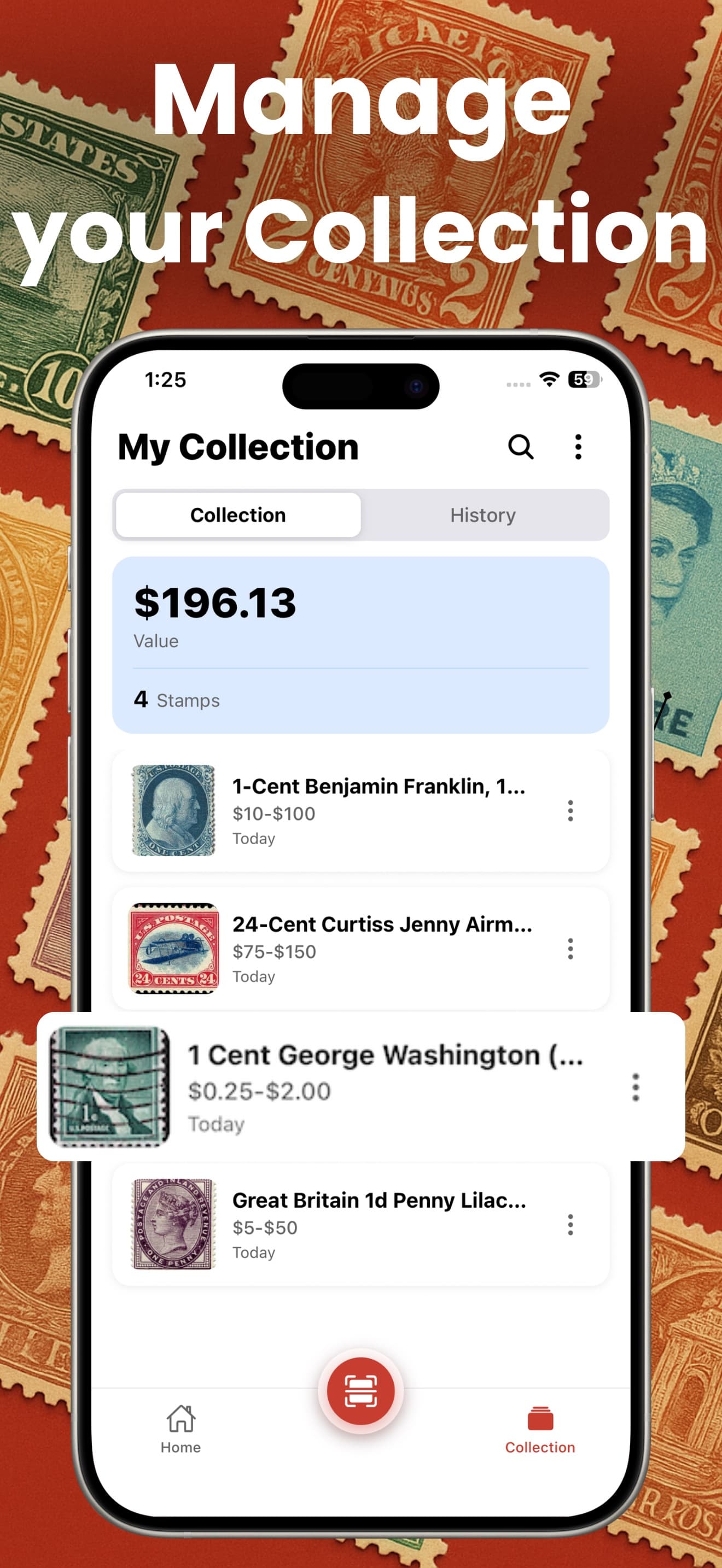
Log what you buy
Add the stamp to your collection with what you paid, so your inventory and your spending stay visible.


Free to download on iOS and Android
Frequently asked questions
Is it cheaper to buy stamps in lots?
Per stamp, yes, much cheaper. Lots and mixtures are how most collectors build bulk. The trade-off is that you sort a lot of common material to find a few keepers.
Are stamps a good investment?
Treat them as a hobby. Most stamps don't appreciate, dealers buy below retail, and the stamps that do rise are scarce, certified and expensive to start with.
What is kiloware?
Stamps still on trimmed envelope paper, sold by weight. It's the cheapest way to get a lot of material, and popular for topical collectors and beginners.
Should I buy stamps on eBay?
It's fine for common material if you check photos, feedback and returns. For expensive stamps, prefer established dealers or auction houses, and insist on certification.
Is it safe for a beginner to buy at auction?
Yes, for modest lots, as long as you read the terms first. Check the buyer's premium, the exact condition wording, and whether lots can be viewed or returned. Set your limit before bidding and stick to it.
