
Sellos famosos
Duck stamps: cuánto valen los sellos federales de caza de EE. UU.
Actualizado el · 6 min de lectura · Por el equipo de StampGo
Respuesta rápida
Los duck stamps federales existen desde 1934 y se catalogan con el prefijo RW. La primera emisión de 1934 es el sello clave: de cientos a algo más de mil dólares nuevo, y mucho menos firmado o usado. La mayoría de las emisiones desde los años setenta valen cerca de su valor facial, y el estado y la goma deciden el resto.
Datos clave
- Qué son
- Sellos federales de caza de aves acuáticas y conservación, obligatorios para los cazadores
- Primera emisión
- 1934, de 1 dólar, diseñada por Jay N. «Ding» Darling
- Prefijo de catálogo
- RW en el catálogo Scott (RW1 es 1934)
- Sellos clave
- Los primeros años, sobre todo de 1934 a 1940
- Sellos firmados
- Los cazadores firmaban el anverso. Un ejemplar firmado vale mucho menos que uno nuevo sin firmar
- Emisiones modernas
- Normalmente cerca del valor facial
What is a duck stamp?
It's a federal hunting permit stamp, not postage. Waterfowl hunters have been required to buy one each season since 1934, and almost all of the money goes to buying and protecting wetland habitat.
Because they're sold at post offices and printed like stamps, they were collected like stamps from the start, and they have their own place in catalogues under the RW prefix. They're a conservation programme as much as a collectable: the annual design is chosen through a federal art competition, and a junior version of the programme has run since the 1990s.
What are duck stamps worth by year?
Value falls steeply as the years advance. The 1930s issues are the valuable ones, the 1940s–1960s are moderate, and issues from the 1970s onward are usually worth close to their face value.
| Era | Typical value |
|---|---|
| 1934–1940 | The key years. Hundreds of dollars and up for sound unused copies |
| 1941–1959 | Tens to low hundreds, depending on year and condition |
| 1960–1979 | Modest premiums over face value |
| 1980–today | Usually close to face value, which has risen over the decades |
| Signed or used copies | A fraction of the unused price for the same year |
The 1934 first issue, Scott RW1, is the one people ask about. Sound unused examples sell for hundreds to low four figures, while signed copies, which are far more common because hunters were required to sign them, sell for much less.
Why does a signature across the stamp matter?
Hunters were required to sign the face of their duck stamp, so a signed stamp is a used stamp. Collectors pay the premium for unsigned, unused copies with original gum.
This is the opposite of most stamps, where a neat cancellation is normal and acceptable. With duck stamps, the signature is the cancellation, and it can cut the value by most of the difference. Never try to remove one: cleaning is detectable and destroys the stamp's value entirely. See stamp condition grades.
What about state duck stamps?
Many states issue their own waterfowl stamps alongside the federal one. They're collected too, but they're generally worth less than the federal issues, with a few early exceptions.
State issues began in the 1970s and multiplied quickly, which is why most are common. Early issues from the first states to produce them, and stamps still attached to their original licences, are where the interest is. As always, check the specific issue rather than assuming a whole category is valuable.
How do I check what my duck stamps are worth?
Identify the year and catalogue number, then judge the condition: unsigned or signed, gum intact or not, centering, and whether the stamp has been hinged.
- Read the year printed on the stamp, and match it to its RW number.
- Check whether it's signed across the face.
- Look at the back for full original gum, hinge marks or thins.
- Judge the centering, which varies a lot on the early issues.
- Compare recent sold prices for that year in that condition, not catalogue value alone.
For anything from the 1930s in unused condition, get an expert opinion before selling. See what are my stamps worth?
What are Junior Duck Stamps and artist-signed editions?
Junior Duck Stamps come from a youth art and conservation programme and are collected separately. Artist-signed stamps and medallion editions are sold to collectors by dealers, and they rarely resell for much above what they cost.
- Junior Duck Stamps: issued alongside the federal programme, with designs by students. Inexpensive, and collected as their own series.
- Artist-signed stamps: a current stamp signed in the margin or on the face by the designer. Attractive, but sold at a premium that the resale market doesn't always support.
- Medallion and framed editions: presentation products aimed at gift buyers rather than collectors.
- Text and governor's editions: state programmes issue variants, and some are genuinely scarce. Check the specific issue.
As with all modern collectables sold as collectables, the safest assumption is that what you paid is more than what you'll be offered. The value in duck stamps sits with the early federal issues in sound, unsigned condition. See how to tell if a stamp is rare.
Paso a paso
How to check duck stamps with StampGo
Duck stamps are easy to date, because the year is printed on them. The useful part is checking which ones justify a closer look.
- 1
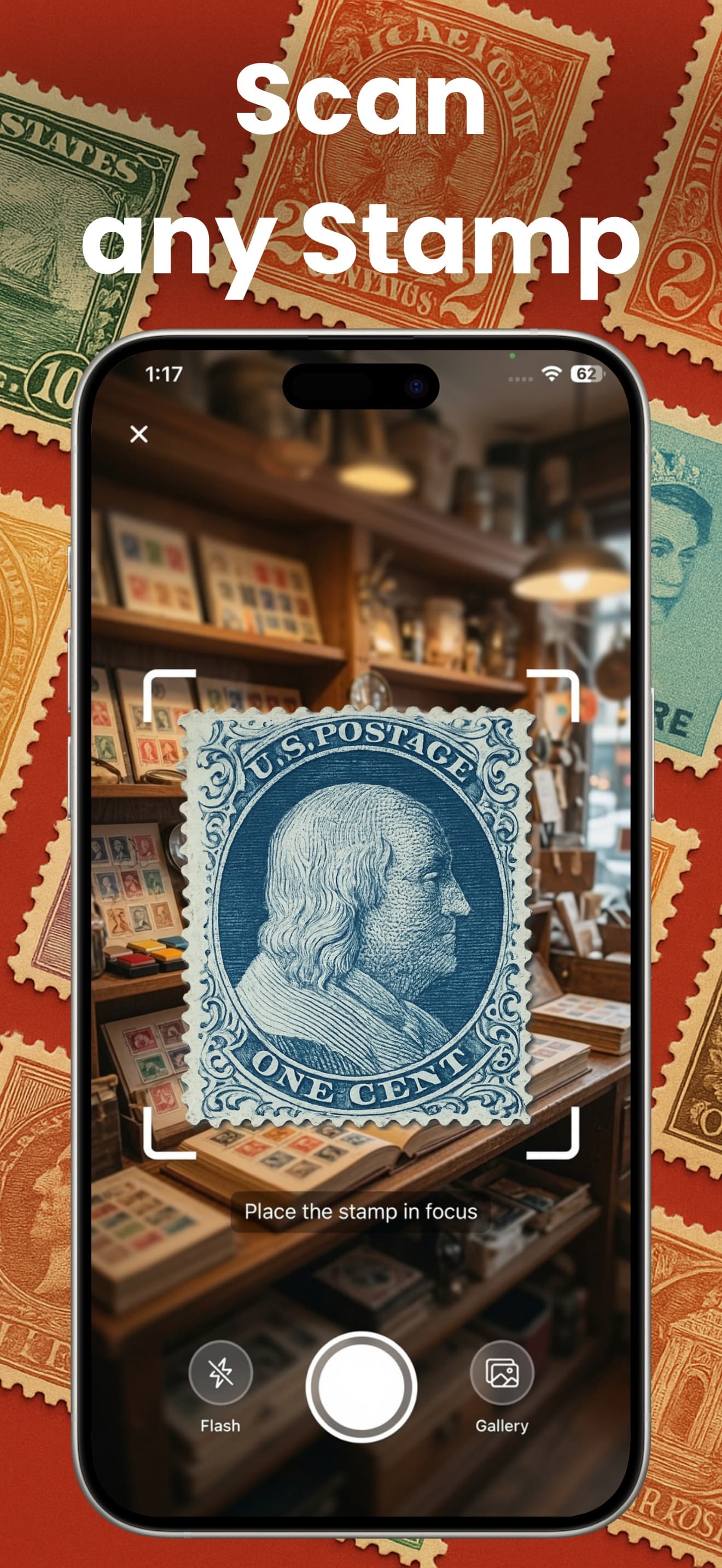
Scan the stamp
Tap Scan Now and photograph the stamp flat, so the full design and margins are visible.
- 2
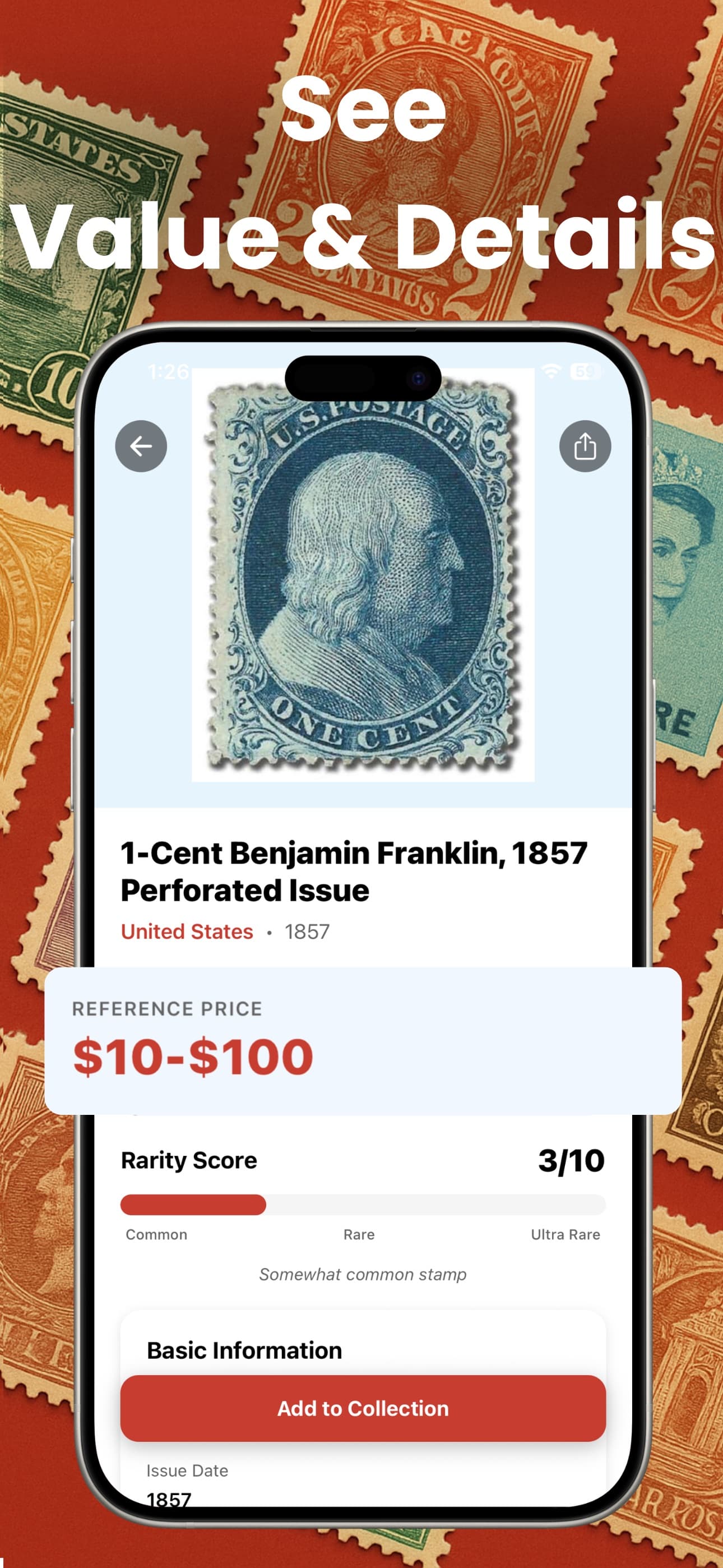
Check the issue and price range
Use the reference price range as a first signal for whether you're holding an early key year or a common modern issue.
- 3
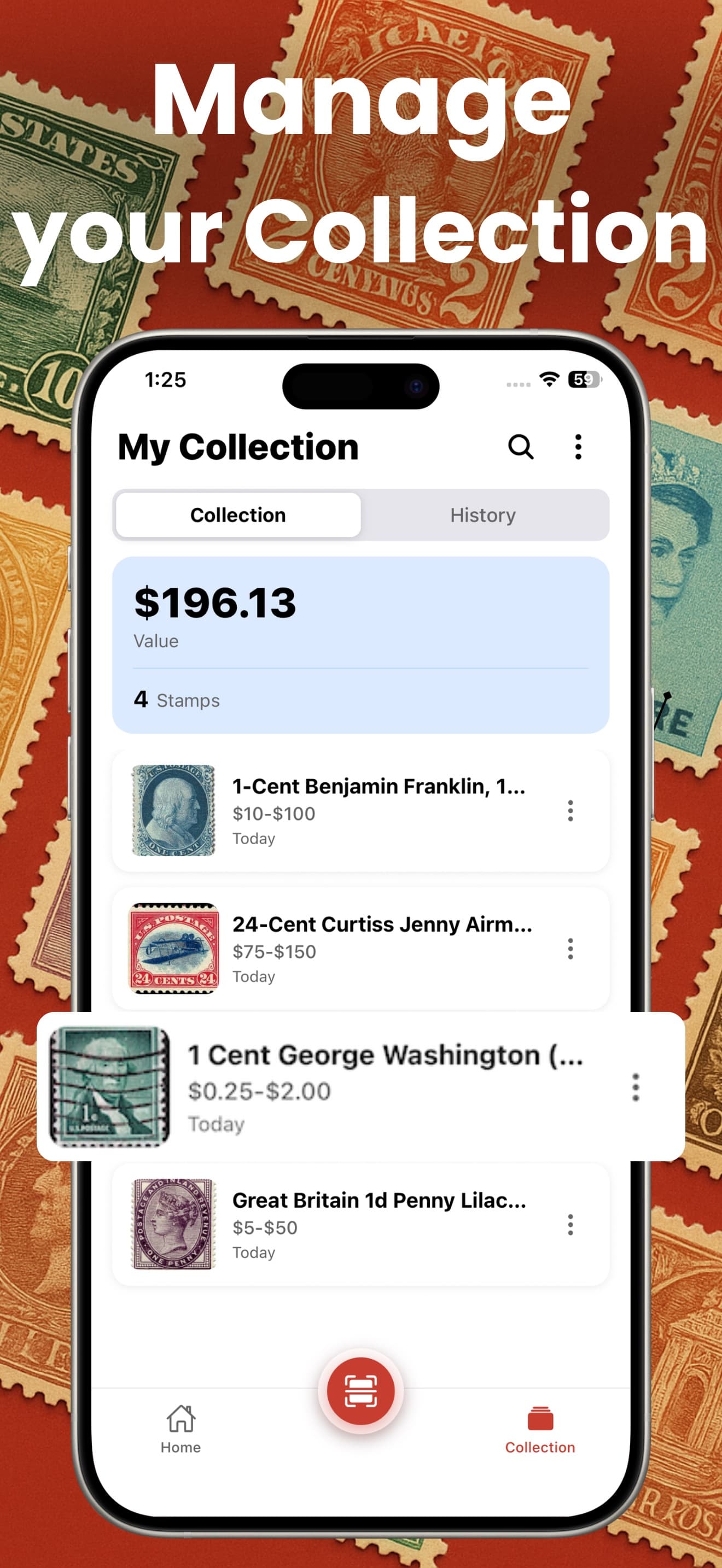
Save it with your notes
Add it to your collection, and record in your own inventory whether it's signed and whether the gum is intact.


Descarga gratuita para iOS y Android
Preguntas frecuentes
¿Los duck stamps son sellos de correos?
No. Son sellos federales de licencia de caza, vendidos en oficinas de correos. Se catalogan y coleccionan junto a los sellos, pero no sirven para franquear una carta.
¿Cuánto vale un duck stamp de 1934?
Un ejemplar nuevo y sano de la primera emisión se vende de cientos a algo más de mil dólares, según el centrado y la goma. Los firmados, mucho más frecuentes, valen bastante menos.
¿Un duck stamp firmado no vale nada?
No es que no valga nada, solo vale mucho menos que un ejemplar nuevo sin firmar del mismo año. Los firmados antiguos conservan valor, sobre todo en buen estado.
¿Dónde puedo comprar duck stamps?
Los del año en curso se venden en oficinas de correos y otros puntos, y los antiguos a través de comerciantes y subastas. Ver dónde comprar sellos.
¿Caducan los duck stamps?
La licencia de caza sí. Cada sello vale para una temporada, de ahí que lleve un año. Como objeto de colección no caducan, y los primeros años son los que buscan los coleccionistas.
¿Dónde está impreso el año en un duck stamp?
En el propio sello, normalmente junto a las fechas de la temporada y el valor facial. Eso hace que los duck stamps sean mucho más fáciles de ordenar por año que los sellos de correos normales.
