
Francobolli celebri
Duck stamps: quanto valgono i francobolli federali di caccia USA
Aggiornato il · 5 min di lettura · A cura del team StampGo
Risposta rapida
I duck stamps federali esistono dal 1934 e sono catalogati con il prefisso RW. La prima emissione del 1934 è il francobollo chiave: da centinaia a poco più di mille dollari da nuovo, molto meno se firmato o usato. La maggior parte delle emissioni dagli anni Settanta vale vicino al facciale, e il resto lo decidono stato e gomma.
In breve
- Di cosa si tratta
- Francobolli federali per la caccia agli uccelli acquatici e la conservazione, obbligatori per i cacciatori
- Prima emissione
- 1934, da 1 dollaro, disegnata da Jay N. «Ding» Darling
- Prefisso di catalogo
- RW nel catalogo Scott (RW1 è il 1934)
- Francobolli chiave
- Le prime annate, soprattutto dal 1934 al 1940
- Francobolli firmati
- I cacciatori firmavano il fronte. Un esemplare firmato vale molto meno di uno nuovo non firmato
- Emissioni moderne
- Di solito vicine al valore facciale
What is a duck stamp?
It's a federal hunting permit stamp, not postage. Waterfowl hunters have been required to buy one each season since 1934, and almost all of the money goes to buying and protecting wetland habitat.
Because they're sold at post offices and printed like stamps, they were collected like stamps from the start, and they have their own place in catalogues under the RW prefix. They're a conservation programme as much as a collectable: the annual design is chosen through a federal art competition, and a junior version of the programme has run since the 1990s.
What are duck stamps worth by year?
Value falls steeply as the years advance. The 1930s issues are the valuable ones, the 1940s–1960s are moderate, and issues from the 1970s onward are usually worth close to their face value.
| Era | Typical value |
|---|---|
| 1934–1940 | The key years. Hundreds of dollars and up for sound unused copies |
| 1941–1959 | Tens to low hundreds, depending on year and condition |
| 1960–1979 | Modest premiums over face value |
| 1980–today | Usually close to face value, which has risen over the decades |
| Signed or used copies | A fraction of the unused price for the same year |
The 1934 first issue, Scott RW1, is the one people ask about. Sound unused examples sell for hundreds to low four figures, while signed copies, which are far more common because hunters were required to sign them, sell for much less.
Why does a signature across the stamp matter?
Hunters were required to sign the face of their duck stamp, so a signed stamp is a used stamp. Collectors pay the premium for unsigned, unused copies with original gum.
This is the opposite of most stamps, where a neat cancellation is normal and acceptable. With duck stamps, the signature is the cancellation, and it can cut the value by most of the difference. Never try to remove one: cleaning is detectable and destroys the stamp's value entirely. See stamp condition grades.
What about state duck stamps?
Many states issue their own waterfowl stamps alongside the federal one. They're collected too, but they're generally worth less than the federal issues, with a few early exceptions.
State issues began in the 1970s and multiplied quickly, which is why most are common. Early issues from the first states to produce them, and stamps still attached to their original licences, are where the interest is. As always, check the specific issue rather than assuming a whole category is valuable.
How do I check what my duck stamps are worth?
Identify the year and catalogue number, then judge the condition: unsigned or signed, gum intact or not, centering, and whether the stamp has been hinged.
- Read the year printed on the stamp, and match it to its RW number.
- Check whether it's signed across the face.
- Look at the back for full original gum, hinge marks or thins.
- Judge the centering, which varies a lot on the early issues.
- Compare recent sold prices for that year in that condition, not catalogue value alone.
For anything from the 1930s in unused condition, get an expert opinion before selling. See what are my stamps worth?
What are Junior Duck Stamps and artist-signed editions?
Junior Duck Stamps come from a youth art and conservation programme and are collected separately. Artist-signed stamps and medallion editions are sold to collectors by dealers, and they rarely resell for much above what they cost.
- Junior Duck Stamps: issued alongside the federal programme, with designs by students. Inexpensive, and collected as their own series.
- Artist-signed stamps: a current stamp signed in the margin or on the face by the designer. Attractive, but sold at a premium that the resale market doesn't always support.
- Medallion and framed editions: presentation products aimed at gift buyers rather than collectors.
- Text and governor's editions: state programmes issue variants, and some are genuinely scarce. Check the specific issue.
As with all modern collectables sold as collectables, the safest assumption is that what you paid is more than what you'll be offered. The value in duck stamps sits with the early federal issues in sound, unsigned condition. See how to tell if a stamp is rare.
Passo dopo passo
How to check duck stamps with StampGo
Duck stamps are easy to date, because the year is printed on them. The useful part is checking which ones justify a closer look.
- 1
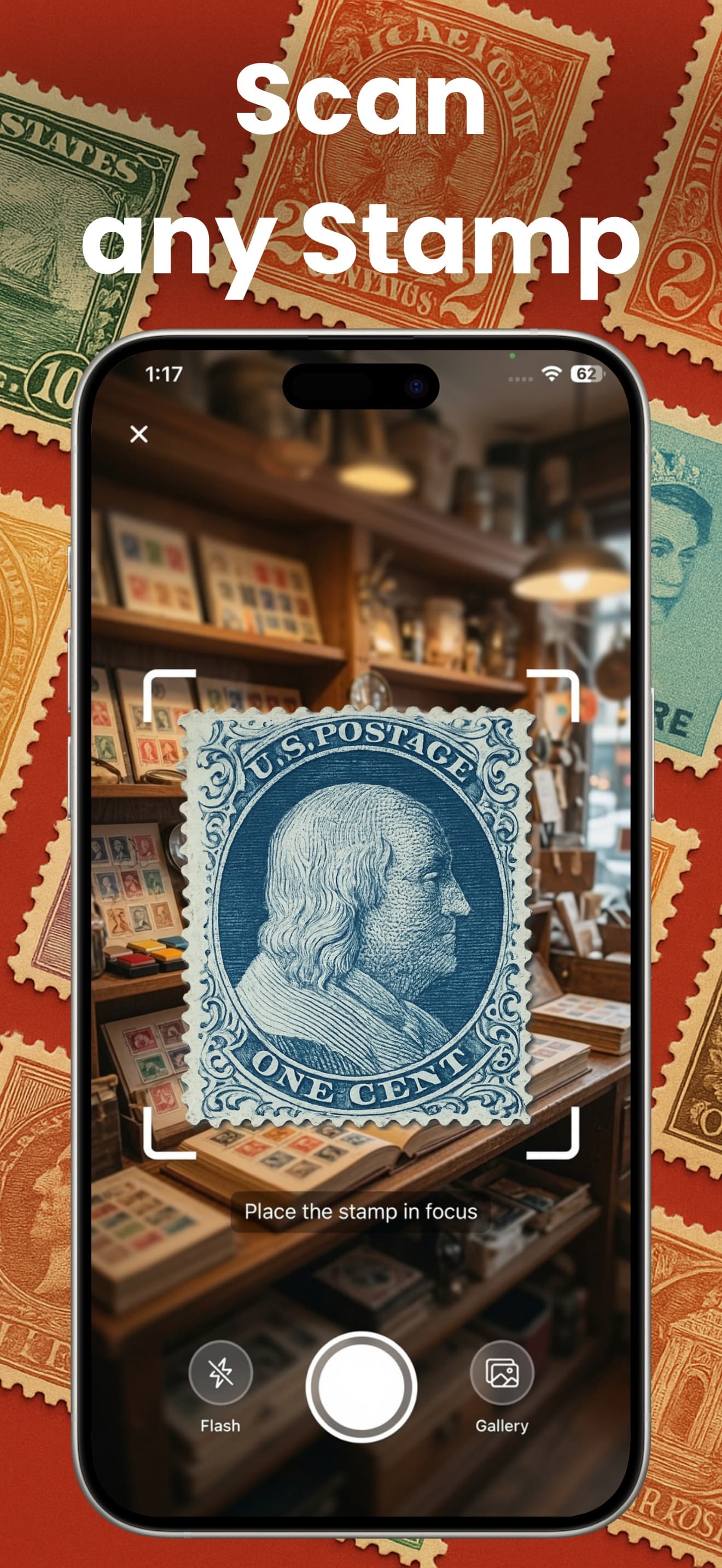
Scan the stamp
Tap Scan Now and photograph the stamp flat, so the full design and margins are visible.
- 2
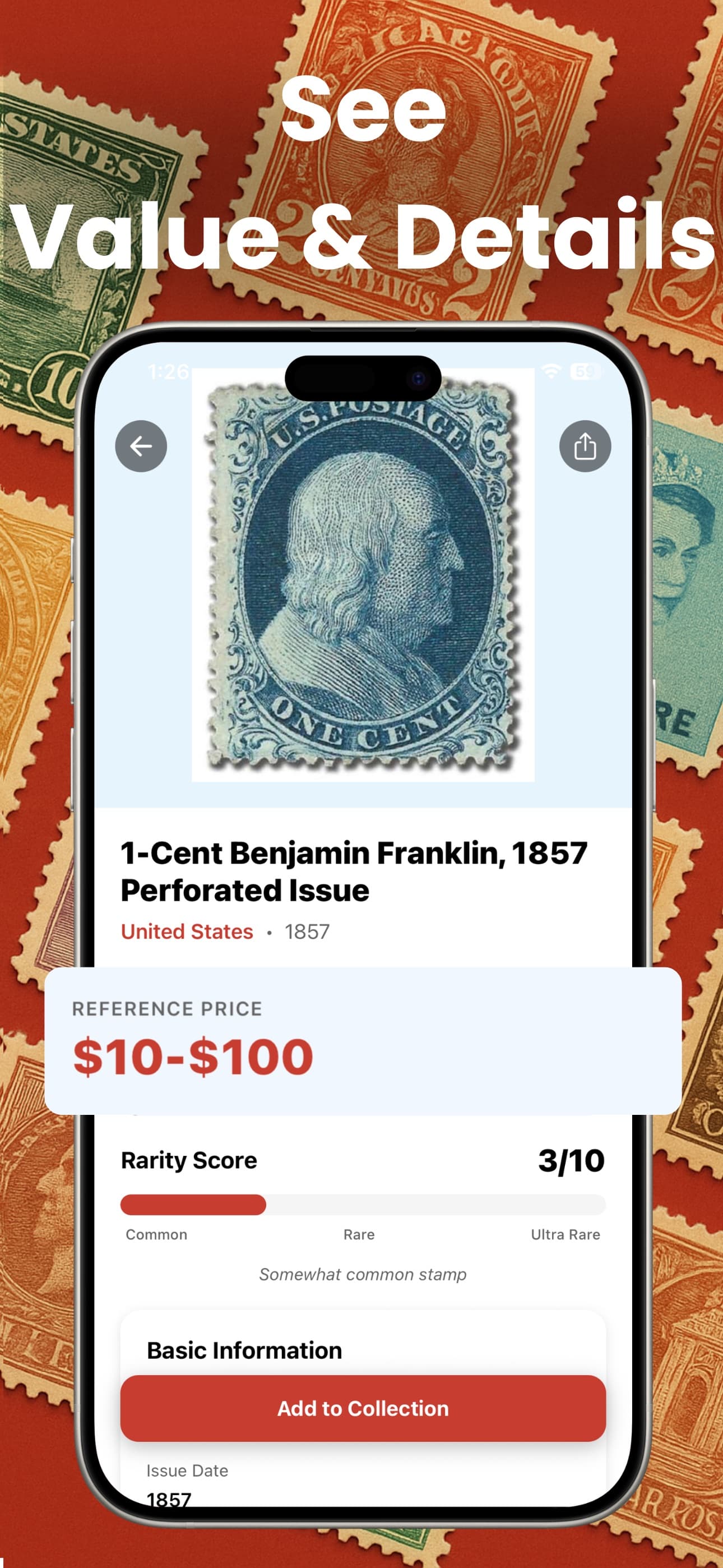
Check the issue and price range
Use the reference price range as a first signal for whether you're holding an early key year or a common modern issue.
- 3
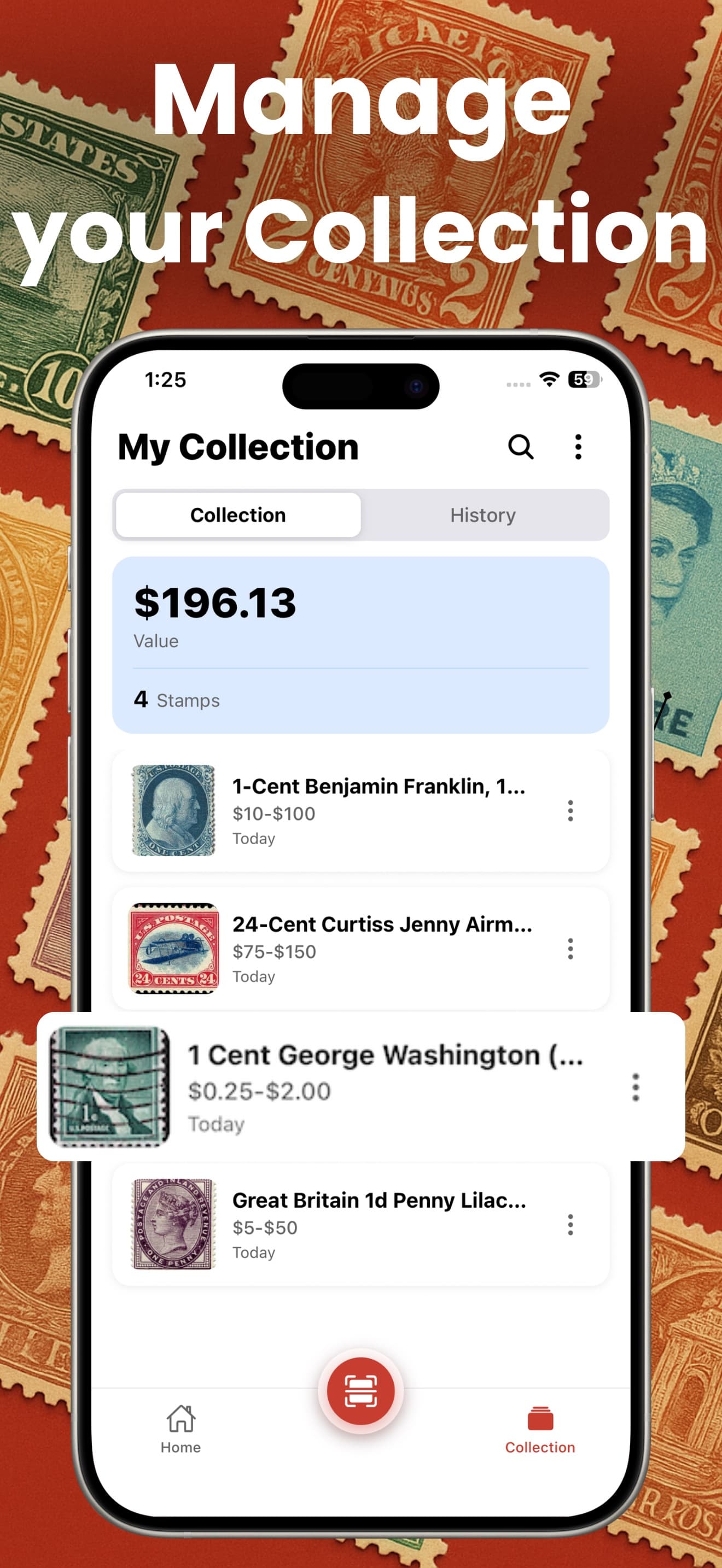
Save it with your notes
Add it to your collection, and record in your own inventory whether it's signed and whether the gum is intact.


Download gratuito per iOS e Android
Domande frequenti
I duck stamps sono francobolli postali?
No. Sono francobolli federali di licenza di caccia, venduti negli uffici postali. Vengono catalogati e collezionati insieme ai francobolli, ma non servono ad affrancare una lettera.
Quanto vale un duck stamp del 1934?
Un esemplare nuovo e integro della prima emissione si vende da centinaia a poco più di mille dollari, a seconda di centratura e gomma. Quelli firmati, molto più comuni, valgono parecchio meno.
Un duck stamp firmato non vale nulla?
Non è privo di valore, vale solo molto meno di un esemplare nuovo non firmato della stessa annata. I francobolli firmati delle prime annate conservano valore, soprattutto in buono stato.
Dove si comprano i duck stamps?
Quelli dell'anno in corso negli uffici postali e in altri punti vendita, i più vecchi da commercianti filatelici e in asta. Vedi dove comprare francobolli.
I duck stamps scadono?
La licenza di caccia sì. Ogni francobollo vale per una stagione, ed è per questo che riporta un anno. Come oggetti da collezione non scadono, e sono le prime annate quelle ricercate.
Dove è stampato l'anno su un duck stamp?
Sul francobollo stesso, di solito accanto alle date della stagione e al valore facciale. Questo rende i duck stamps molto più facili da ordinare per annata rispetto ai normali francobolli postali.
