
Słynne znaczki
Duck stamps: ile warte są amerykańskie federalne znaczki myśliwskie
Aktualizacja · 5 min czytania · Zespół StampGo
Krótka odpowiedź
Federalne duck stamps ukazują się od 1934 roku i w katalogu mają prefiks RW. Pierwsza emisja z 1934 roku to znaczek kluczowy: od kilkuset do ponad tysiąca dolarów w stanie czystym i znacznie mniej z podpisem albo skasowany. Większość emisji od lat siedemdziesiątych jest warta mniej więcej tyle, co nominał, a resztę rozstrzygają stan i guma.
Najważniejsze fakty
- O co chodzi
- Federalne znaczki na polowanie na ptactwo wodne i ochronę przyrody, obowiązkowe dla myśliwych
- Pierwsza emisja
- 1934 rok, 1 dolar, projekt Jaya N. „Dinga” Darlinga
- Prefiks katalogowy
- RW w katalogu Scotta (RW1 to 1934 rok)
- Znaczki kluczowe
- Wczesne roczniki, zwłaszcza 1934–1940
- Znaczki z podpisem
- Myśliwi podpisywali się na licu. Podpisane są znacznie tańsze niż czyste bez podpisu
- Emisje współczesne
- Zwykle blisko nominału
What is a duck stamp?
It's a federal hunting permit stamp, not postage. Waterfowl hunters have been required to buy one each season since 1934, and almost all of the money goes to buying and protecting wetland habitat.
Because they're sold at post offices and printed like stamps, they were collected like stamps from the start, and they have their own place in catalogues under the RW prefix. They're a conservation programme as much as a collectable: the annual design is chosen through a federal art competition, and a junior version of the programme has run since the 1990s.
What are duck stamps worth by year?
Value falls steeply as the years advance. The 1930s issues are the valuable ones, the 1940s–1960s are moderate, and issues from the 1970s onward are usually worth close to their face value.
| Era | Typical value |
|---|---|
| 1934–1940 | The key years. Hundreds of dollars and up for sound unused copies |
| 1941–1959 | Tens to low hundreds, depending on year and condition |
| 1960–1979 | Modest premiums over face value |
| 1980–today | Usually close to face value, which has risen over the decades |
| Signed or used copies | A fraction of the unused price for the same year |
The 1934 first issue, Scott RW1, is the one people ask about. Sound unused examples sell for hundreds to low four figures, while signed copies, which are far more common because hunters were required to sign them, sell for much less.
Why does a signature across the stamp matter?
Hunters were required to sign the face of their duck stamp, so a signed stamp is a used stamp. Collectors pay the premium for unsigned, unused copies with original gum.
This is the opposite of most stamps, where a neat cancellation is normal and acceptable. With duck stamps, the signature is the cancellation, and it can cut the value by most of the difference. Never try to remove one: cleaning is detectable and destroys the stamp's value entirely. See stamp condition grades.
What about state duck stamps?
Many states issue their own waterfowl stamps alongside the federal one. They're collected too, but they're generally worth less than the federal issues, with a few early exceptions.
State issues began in the 1970s and multiplied quickly, which is why most are common. Early issues from the first states to produce them, and stamps still attached to their original licences, are where the interest is. As always, check the specific issue rather than assuming a whole category is valuable.
How do I check what my duck stamps are worth?
Identify the year and catalogue number, then judge the condition: unsigned or signed, gum intact or not, centering, and whether the stamp has been hinged.
- Read the year printed on the stamp, and match it to its RW number.
- Check whether it's signed across the face.
- Look at the back for full original gum, hinge marks or thins.
- Judge the centering, which varies a lot on the early issues.
- Compare recent sold prices for that year in that condition, not catalogue value alone.
For anything from the 1930s in unused condition, get an expert opinion before selling. See what are my stamps worth?
What are Junior Duck Stamps and artist-signed editions?
Junior Duck Stamps come from a youth art and conservation programme and are collected separately. Artist-signed stamps and medallion editions are sold to collectors by dealers, and they rarely resell for much above what they cost.
- Junior Duck Stamps: issued alongside the federal programme, with designs by students. Inexpensive, and collected as their own series.
- Artist-signed stamps: a current stamp signed in the margin or on the face by the designer. Attractive, but sold at a premium that the resale market doesn't always support.
- Medallion and framed editions: presentation products aimed at gift buyers rather than collectors.
- Text and governor's editions: state programmes issue variants, and some are genuinely scarce. Check the specific issue.
As with all modern collectables sold as collectables, the safest assumption is that what you paid is more than what you'll be offered. The value in duck stamps sits with the early federal issues in sound, unsigned condition. See how to tell if a stamp is rare.
Krok po kroku
How to check duck stamps with StampGo
Duck stamps are easy to date, because the year is printed on them. The useful part is checking which ones justify a closer look.
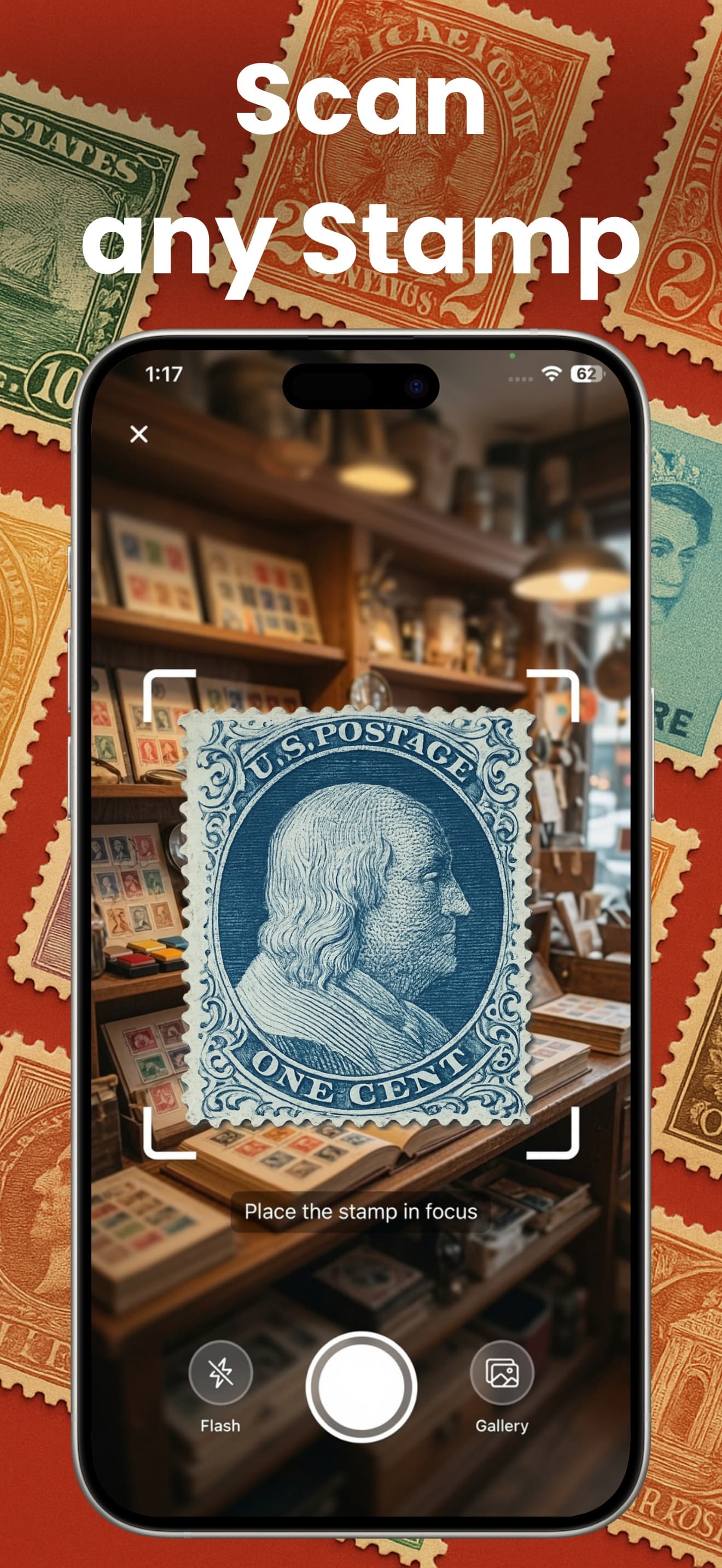
- 1
Scan the stamp
Tap Scan Now and photograph the stamp flat, so the full design and margins are visible.
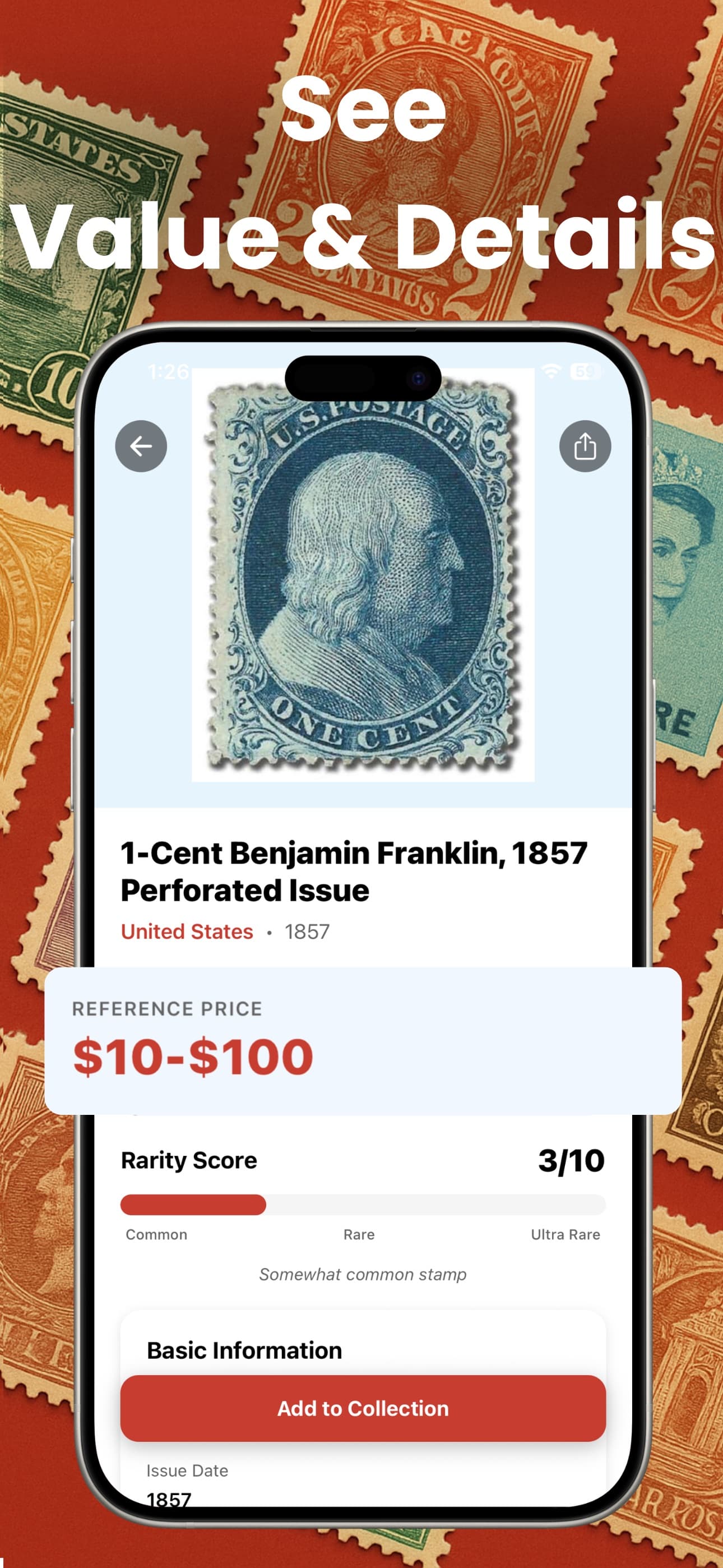
- 2
Check the issue and price range
Use the reference price range as a first signal for whether you're holding an early key year or a common modern issue.
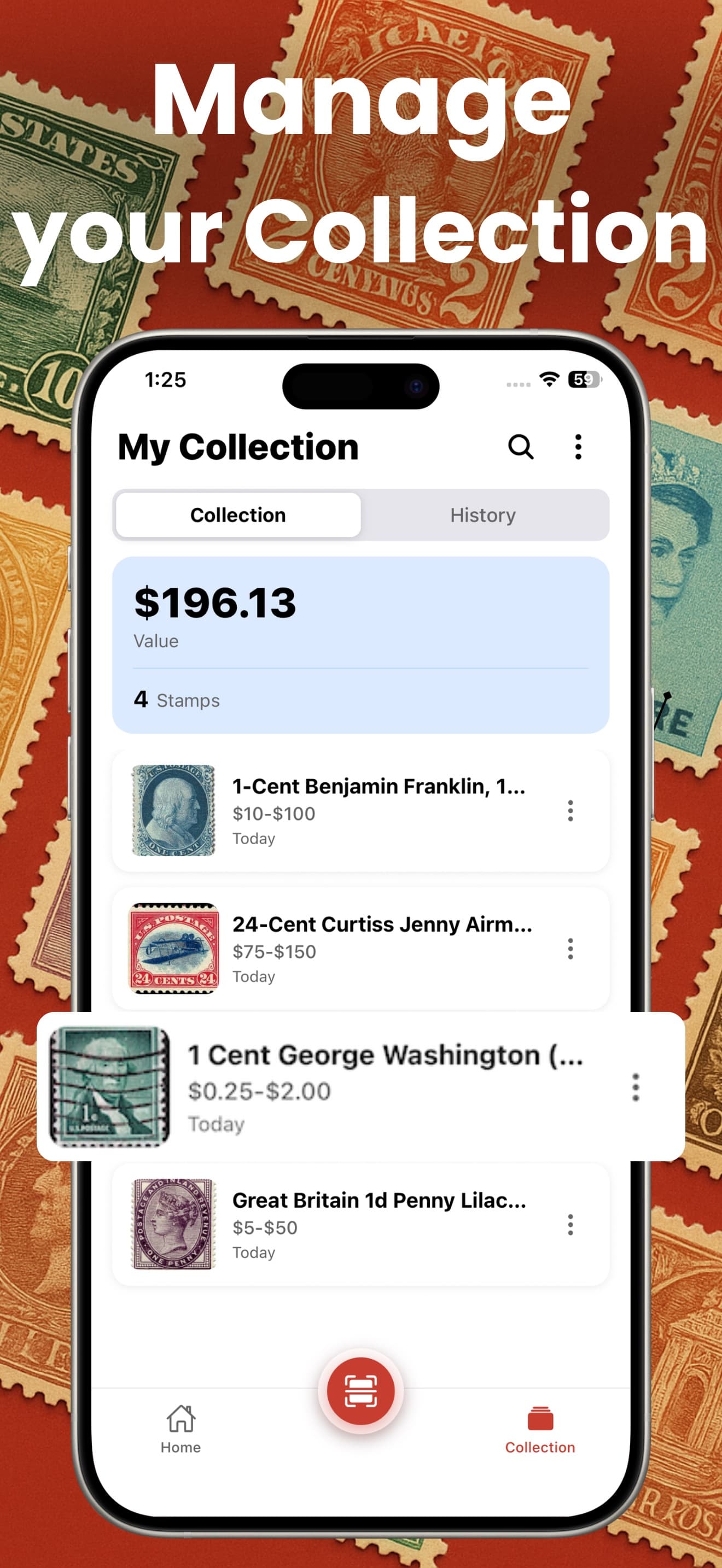
- 3
Save it with your notes
Add it to your collection, and record in your own inventory whether it's signed and whether the gum is intact.


Darmowa do pobrania na iOS i Androida
Pytania i odpowiedzi
Czy duck stamps to znaczki pocztowe?
Nie. To federalne znaczki licencji myśliwskiej sprzedawane przez urzędy pocztowe. Katalogowane i zbierane są jak znaczki, ale nie opłacisz nimi listu.
Ile wart jest duck stamp z 1934 roku?
Nienaruszony czysty egzemplarz pierwszej emisji kosztuje od kilkuset do ponad tysiąca dolarów, zależnie od wycentrowania i gumy. Egzemplarze z podpisem, znacznie liczniejsze, są dużo tańsze.
Czy duck stamp z podpisem nic nie jest wart?
Nie jest bezwartościowy, po prostu wart znacznie mniej niż czysty bez podpisu z tego samego rocznika. Wczesne podpisane znaczki nadal mają wartość, zwłaszcza w dobrym stanie.
Gdzie kupić duck stamps?
Bieżący rocznik w urzędach pocztowych i innych punktach sprzedaży, starsze u handlarzy filatelistycznych i na aukcjach. Zobacz gdzie kupować znaczki.
Czy duck stamps tracą ważność?
Licencja myśliwska tak. Każdy znaczek obowiązuje na jeden sezon, dlatego nosi rok. Jako obiekt kolekcjonerski nie traci ważności, a kolekcjonerzy szukają przede wszystkim wczesnych roczników.
Gdzie na duck stampie wydrukowany jest rok?
Na samym znaczku, zwykle obok dat sezonu i nominału. Dzięki temu duck stamps układa się według roczników znacznie łatwiej niż zwykłe znaczki pocztowe.
